
In March 2015, I traveled to Ghana, West Africa and stayed for a month. This was my first official flight overseas, so I was nervous. I was not sure what to expect on my way to Ghana. I flew solo, and was going to meet my host family at the final destination in Accra. I took a red-eye flight, but there was a brief layover in Amsterdam. When I made it to Amsterdam, I could already feel a difference in the air. There was a sense of movement and action that did not feel like mindless busyness.
My layover was only for a few hours, so I made my way to the next gate for the plane heading to Accra, Ghana. When I got to the gate, I immediately noticed that almost everyone was Black. The people’s beautiful dark skin had a supernatural glow. I KNEW I was among Africans. It was an exciting feeling. The second part of the flight was long and turbulent. When the plane landed in Accra that night, most of the passengers applauded in relief. Shuttle buses came to the plane to pick up the passengers and take us into the airport. It was raining and humid, but I was in Africa!!
The customs line was long, and I had to wait for over an hour to make it through. Many diverse people were in the line with me. I saw Chinese, Lebanese, Nigerian, Belgian, and Canadian visitors, just to name a few. I admit that I was surprised to see many “foreigners” coming to Ghana. Then it hit me…I realized that I may have had some subconscious stereotypes and misconceptions about Africa even though I consider myself to be a very open-minded and an independent thinker. Due to this realization, this first post of the series is going to address some of the stereotypes and myths that many people might have about Africa. Although I was only in Ghana, I think that a lot of this information is relevant.
Language Stereotype
Prior to leaving the US, many people asked me, “Do they even speak English over there?” Often times, the tone of the question was condescending and judgmental more than curious.
To answer that question…Yes. A majority of the people in Ghana do speak some English (and also one or more of the native dialects).
Honestly, even if the people didn’t speak English, I was willing to learn their language. As people of a culturally diverse world, I think it is beneficial not to be xenophobic or extremely ethnocentric. It benefits us if we do not go into another country expecting the people to speak the language that we are most comfortable or familiar with. It causes us to open up and develop an understanding of each other that verbal language can sometimes distract us from.
But yes, a majority of the people spoke English. This was a blessing, and I was extremely grateful.

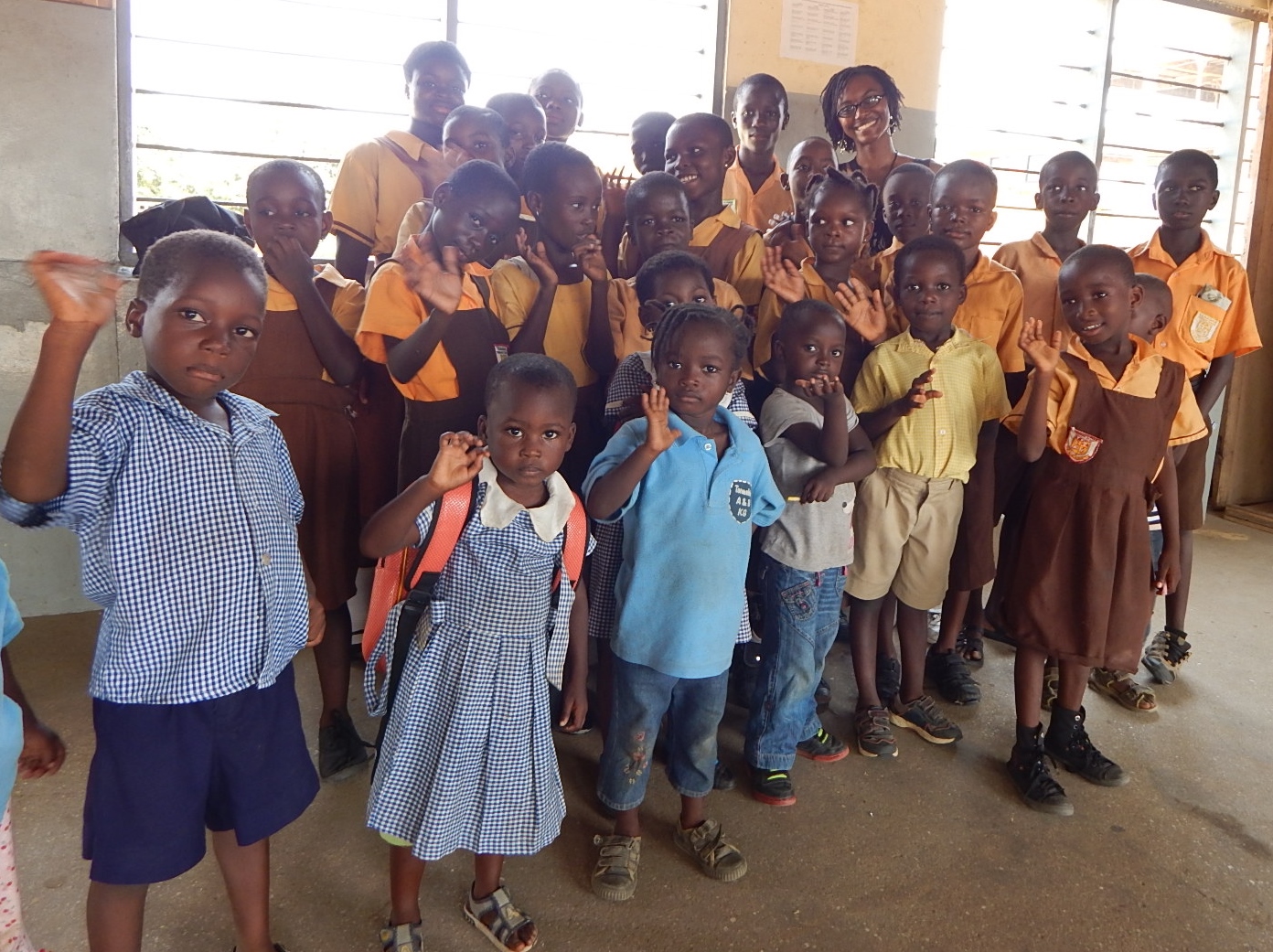
Sign Above the door at a Primary school
Stereotype: There is extreme Lack of Education
This is not completely true. There are professionals such as doctors, lawyers, pharmacists, teachers, etc in Ghana. I did notice that public schools seemed to get the least amount of assistance and care. The conditions were not the best ones for learning. (I will discuss this in a more in depth post later on in the series.)
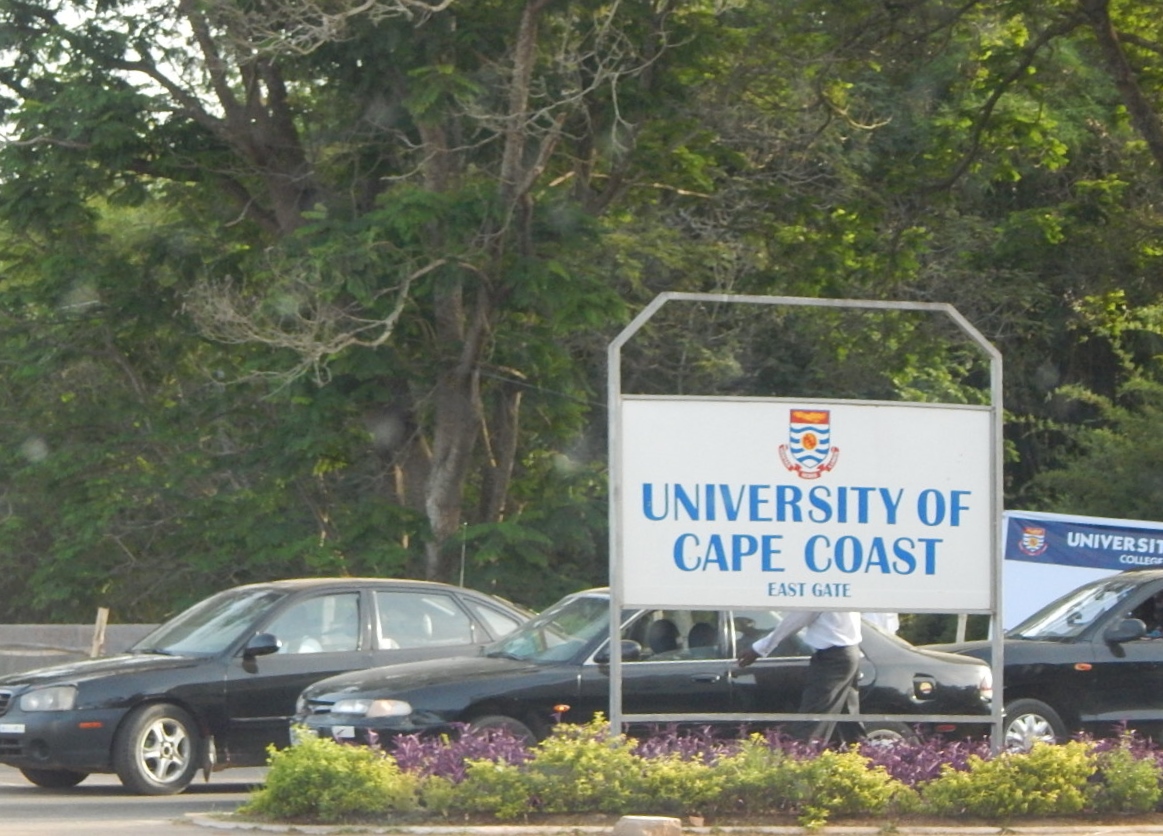
There are colleges, universities, and tech schools in Ghana.
Stereotype: People only wear Traditional Clothing
I can admit that I expected a majority of the Ghanaian people to dress in traditional African clothing. This was not the case.
In all of the places that I visited, the majority of the people were dressed similar to me or my close friends. They looked like Americans. I did learn that this varied based on regions, belief systems, and age.

Adults waiting for a ride near the Volta Region.

Young people dancing in the park at Aburi Botanical Gardens.
Myth: There are only Dirt Roads and Villages with no Running Water or Electricity
There are some paved roads, and there are some unpaved roads in Ghana. I had the joy of experiencing both. In some areas, when it rains, the paved roads get washed away and turn back into muddy roads with enormous craters. It can make for a bumpy ride or limited access to areas, especially if you do not have a moto (motorcycle).
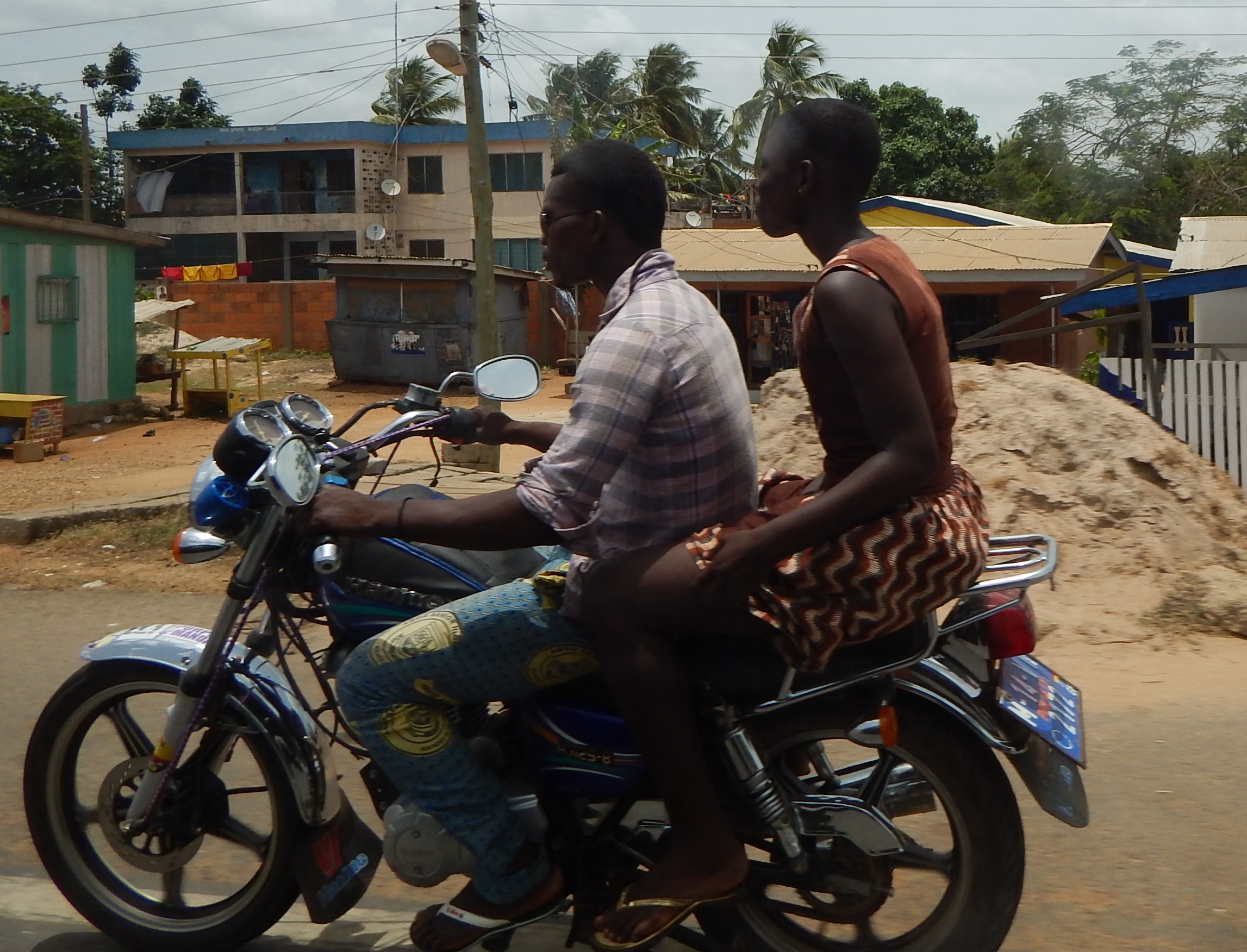
Man and woman riding the moto near the Volta Region.
There are traditional villages and thatch roof houses like the ones that are often portrayed on television. However, many people do have homes like the ones in America, and they are HUGE!

Village home in Dodowa.
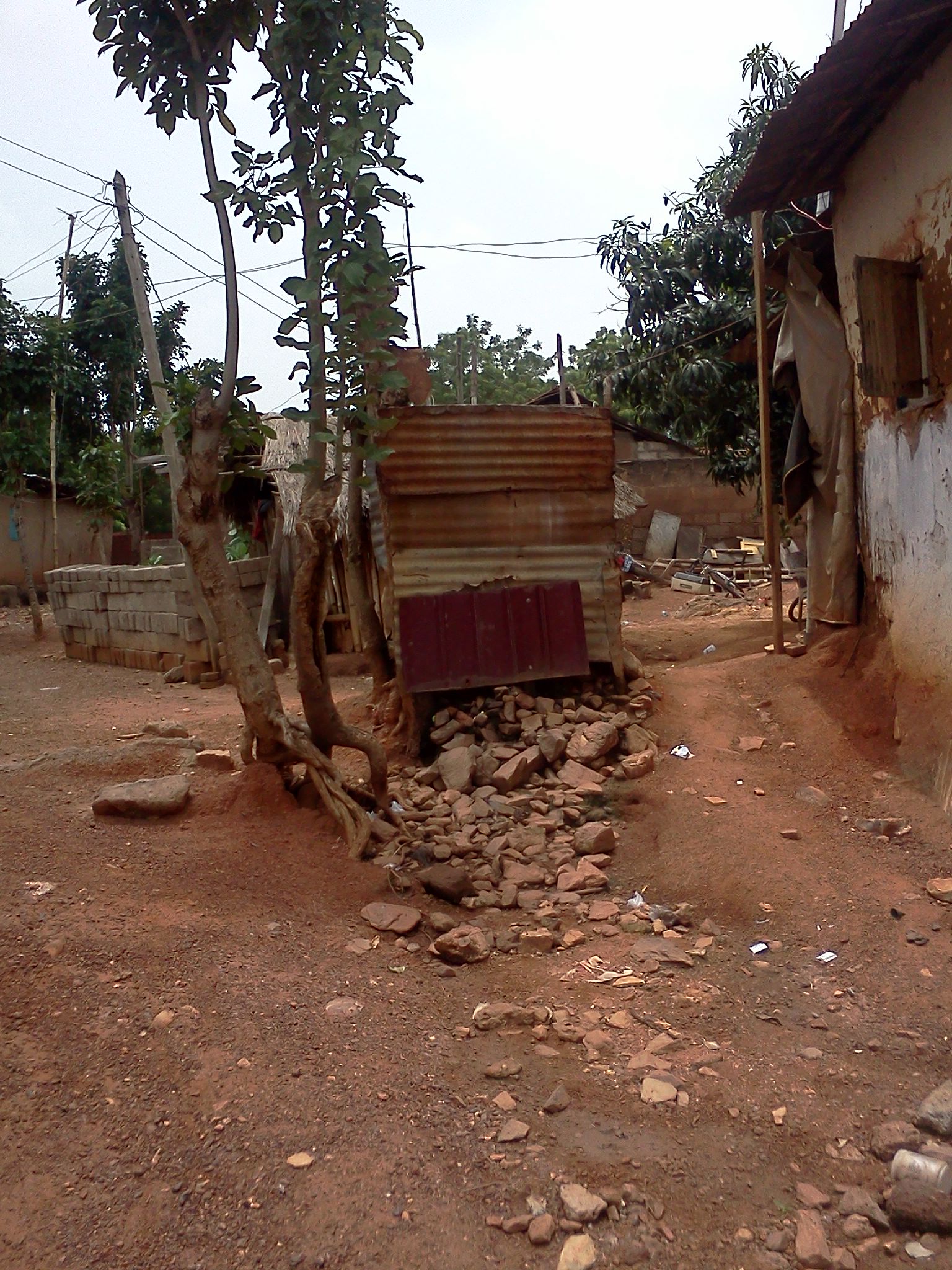
Back view of a “toilet” at a village home in Dodowa. The owner was kind enough to let me use it.
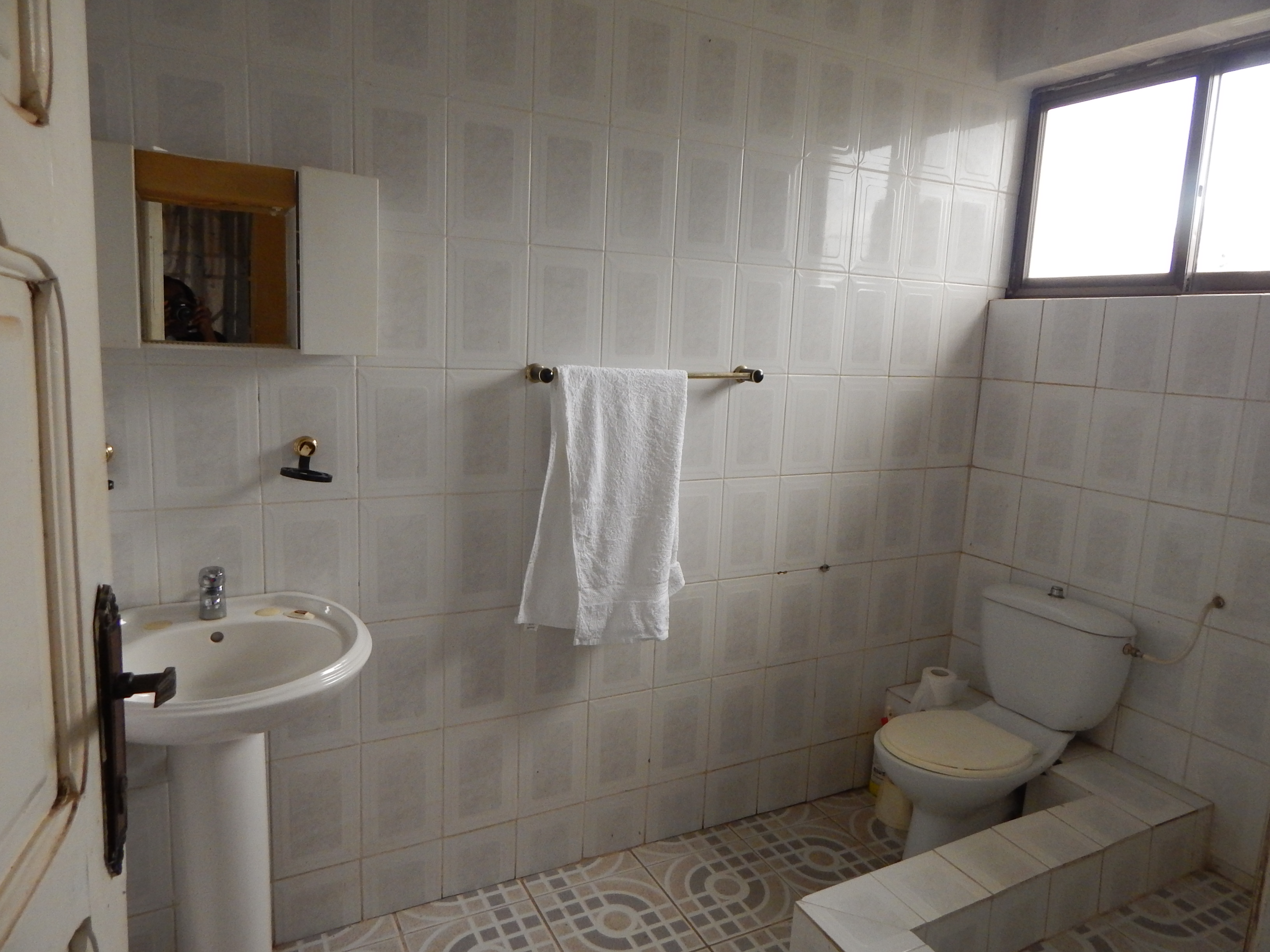
Private bathroom in my bedroom in West Legon.
There IS running water and electricity in parts of Ghana. Not all places have running water or electricity, but many of them do. Unfortunately there is an issue with frequent electricity outages. The people are accustomed to it, and even have a name for it: Doomsor. Some days I had electricity, but almost every day I did not have electricity for 6, 12, or more hours. I seldom had hot water, but it was bearable because the weather is very hot and humid.
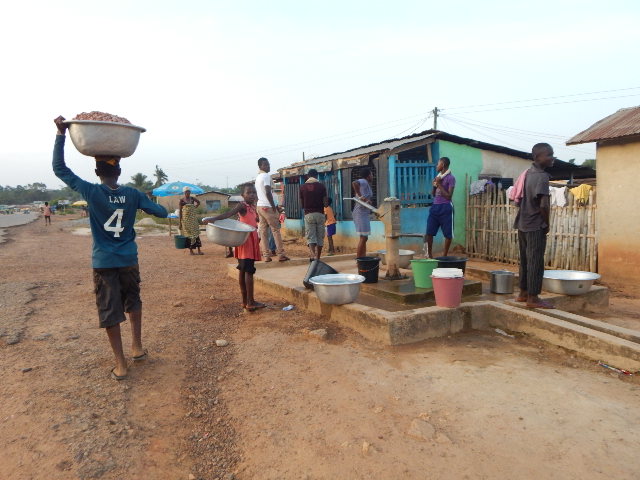
Village children pumping water while a man walks by carrying goods on his head.
Stereotype: There is dangerous “Wildlife” (lions) roaming everywhere.
There are several animals in Ghana. I did not get to see the monkeys, elephants, zebras, and giraffes, but I learned that they have nature reserve parks in different regions where I can go see them. Everyday I did encounter many cows, goats, chickens, dogs, cats, and sheep freely roaming around the streets and in harmony with each other.
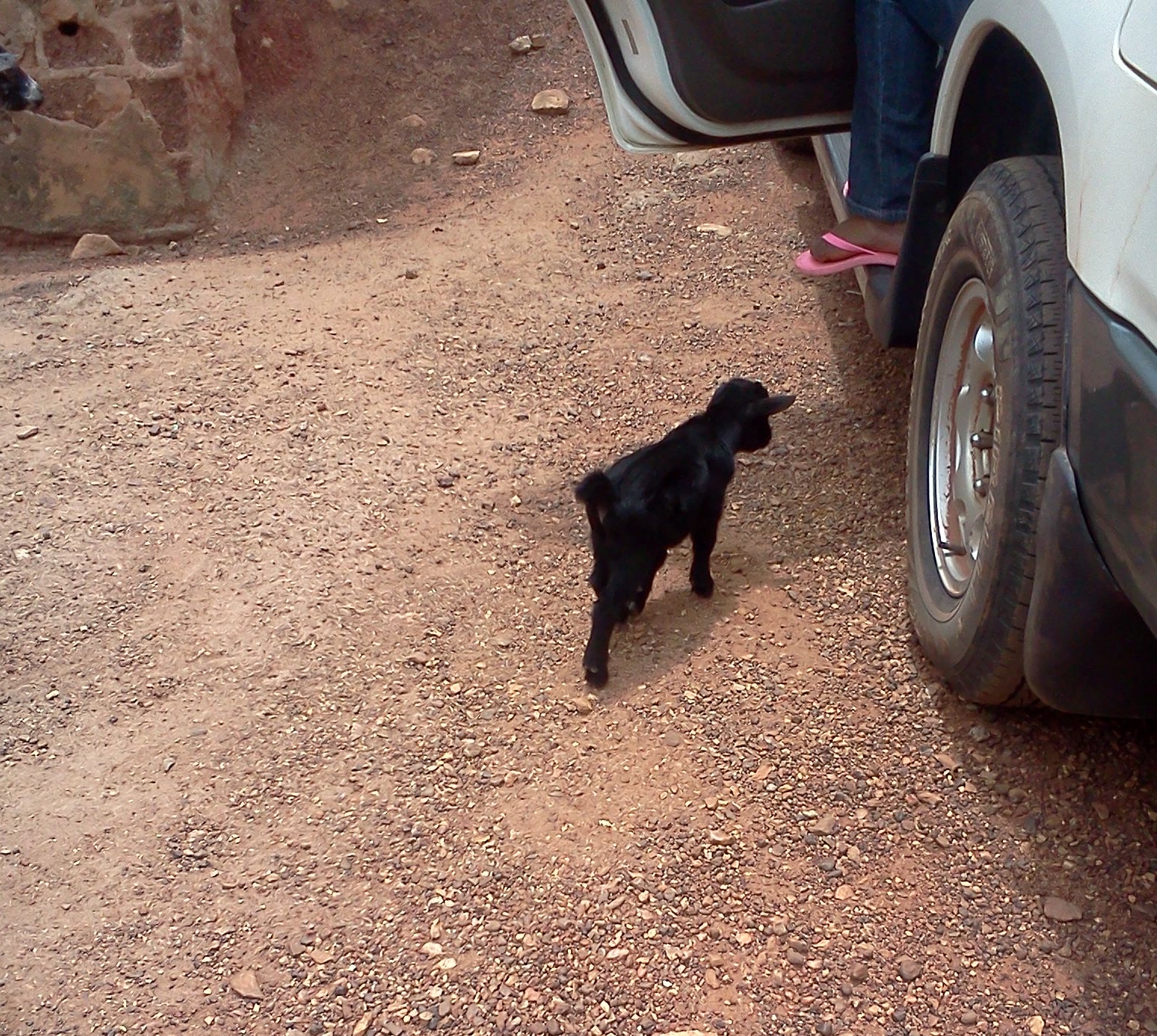
Baby goat in Dodowa casually heading under the vehicle for shade.
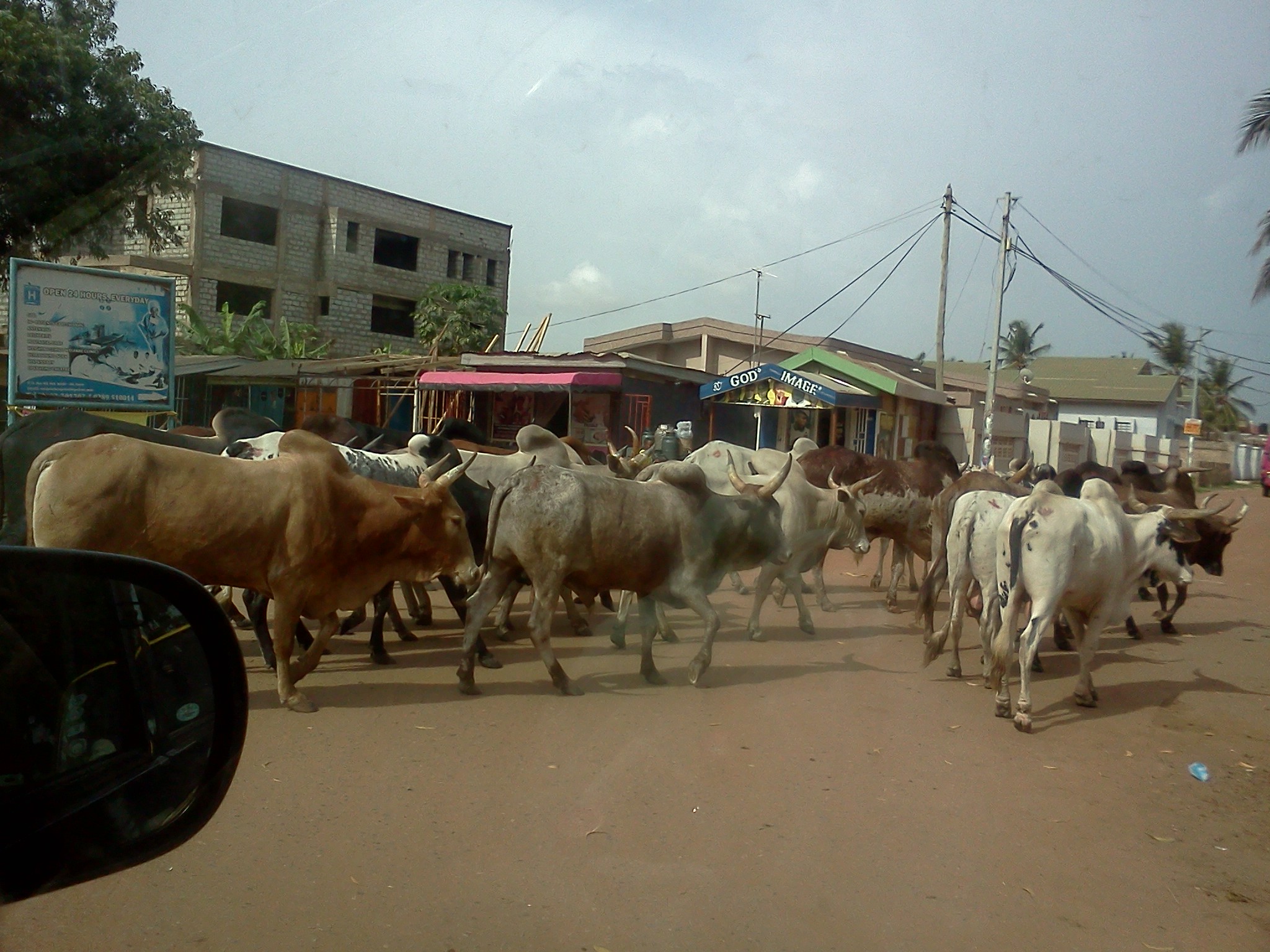
Herd of cows calmly crossing the street in the city.
Myth: All of Africa is only Deserts. There is no Vegetation.
Ghana is beautiful! I was able to experience the lush Aburi Botanical Gardens, go to the beach, see mountains, and visit the bush areas. Plus, almost every where that I went, there was mango, papaya, avocado, and plenty of foods growing naturally. It was magnificent!
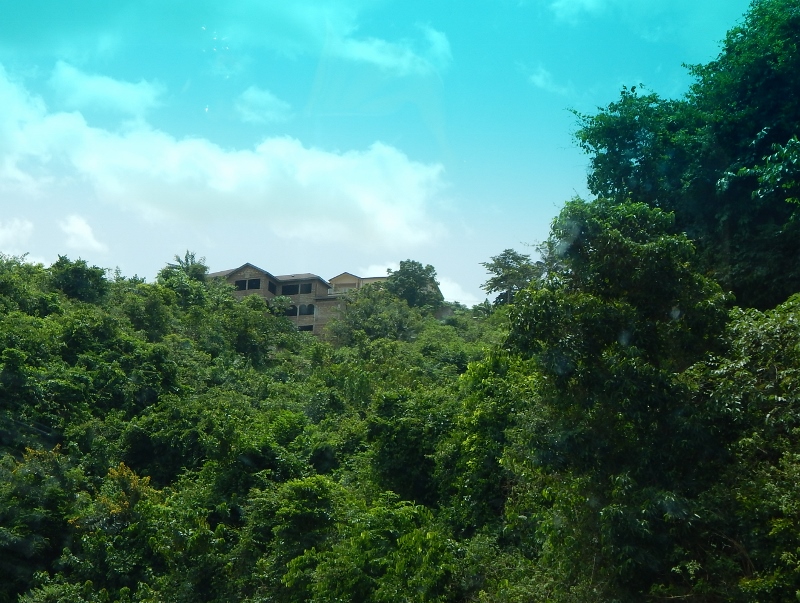
Home on a hill in Aburi
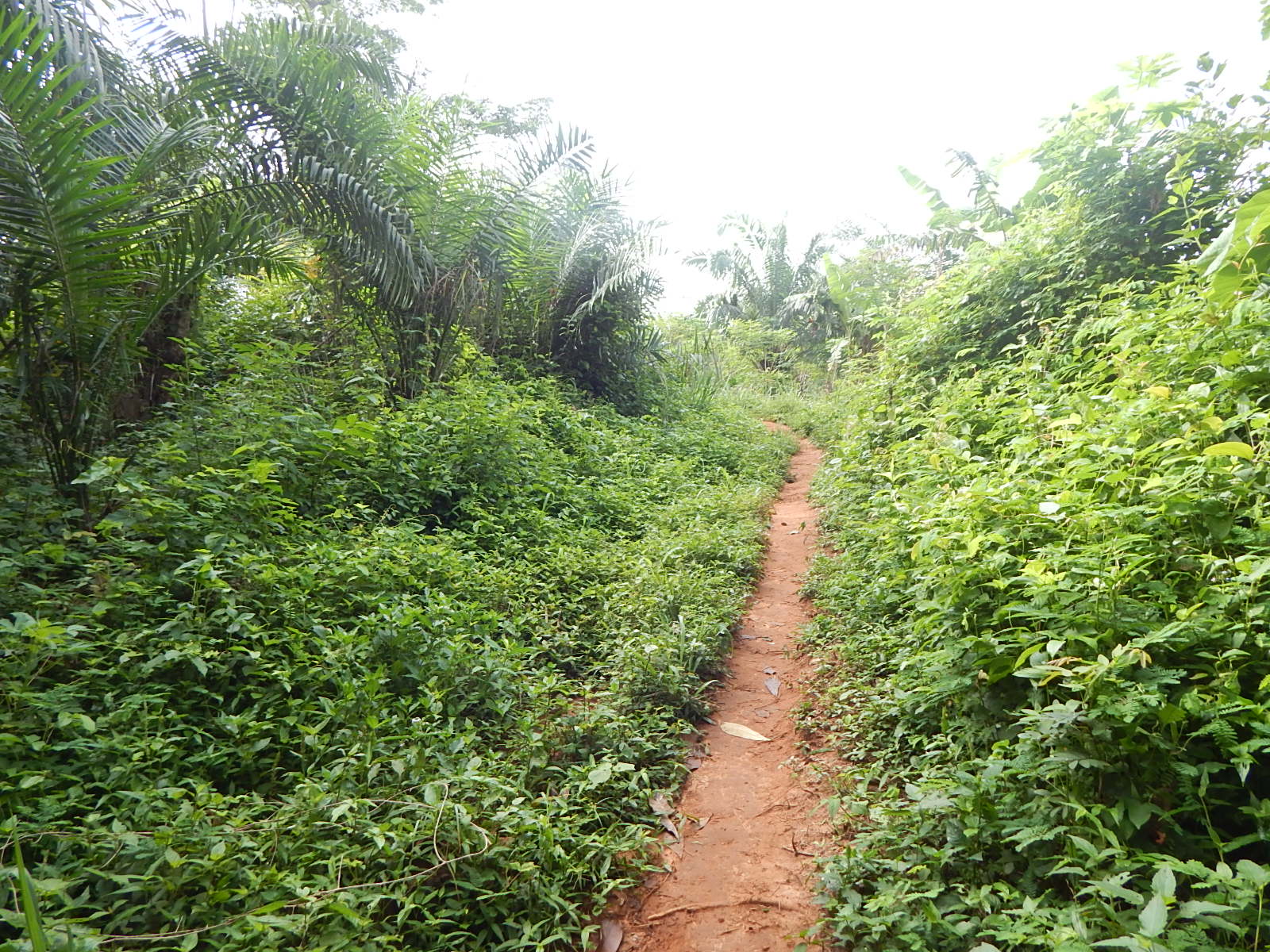
Walking a path out in the “bush” north of Aburi.

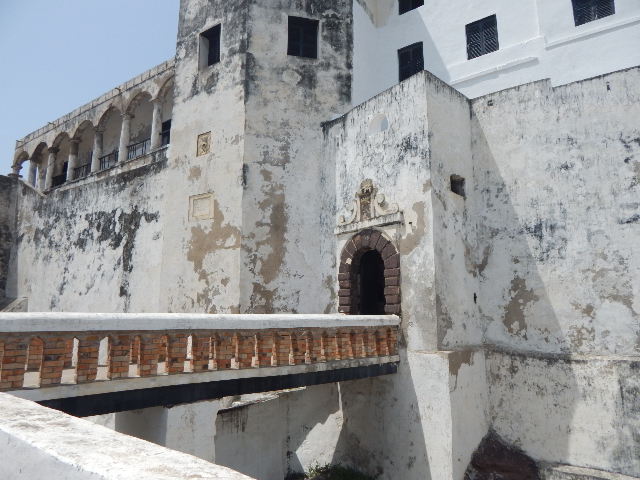
Cape Coast (The other side of the Atlantic Ocean)
Stereotype: There is nothing for Tourists because the countries are underdeveloped.
I would recommend that anyone with a genuine interest in the continent of Africa visit at least one country, even if it is only for tourism. In Ghana, there are hotels, spas, shopping malls, museums, national parks, and movie theaters. I am certain that other countries in Africa have the same amenities as well. 🙂
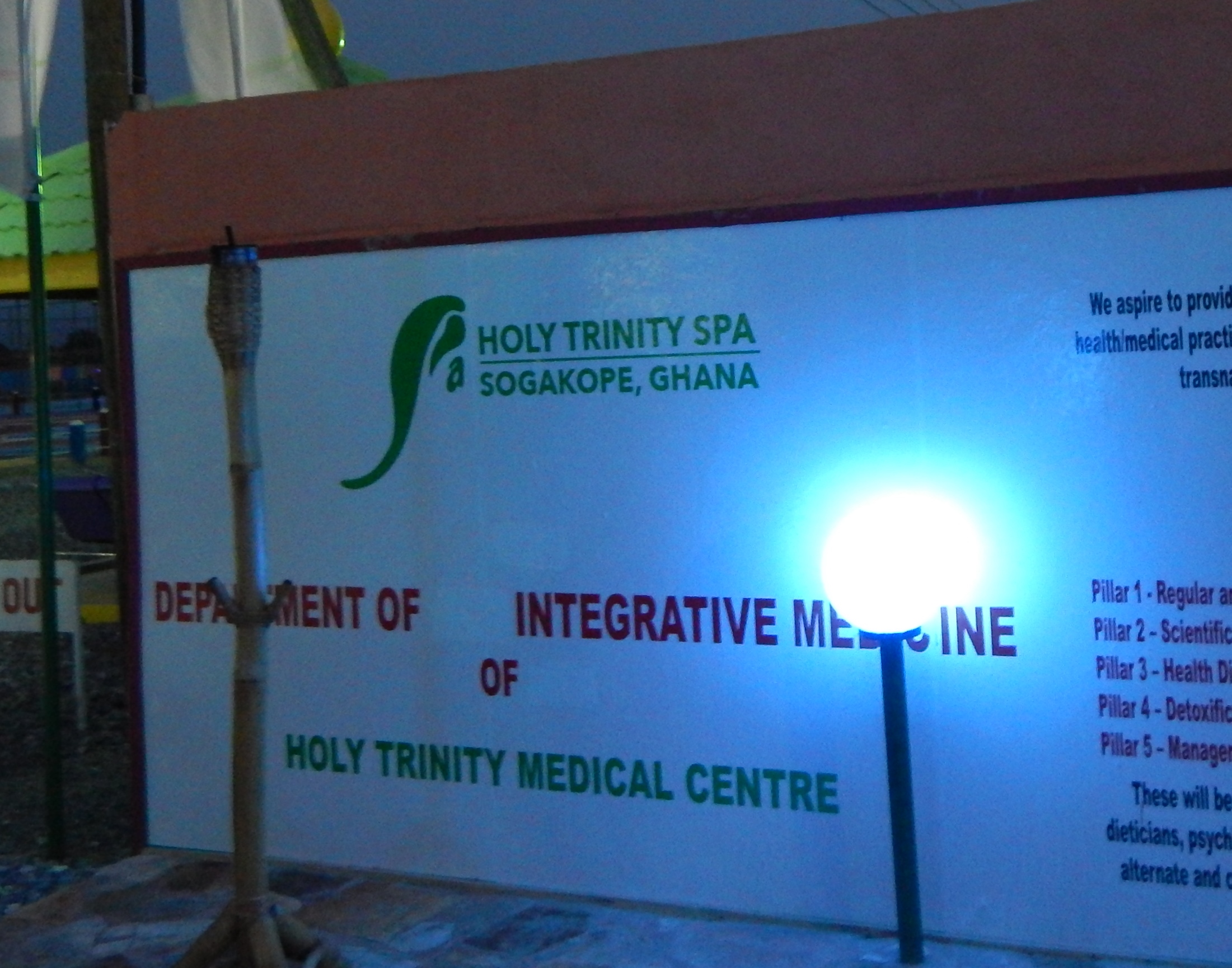
Spa in Sogakope, Ghana (Volta Region)
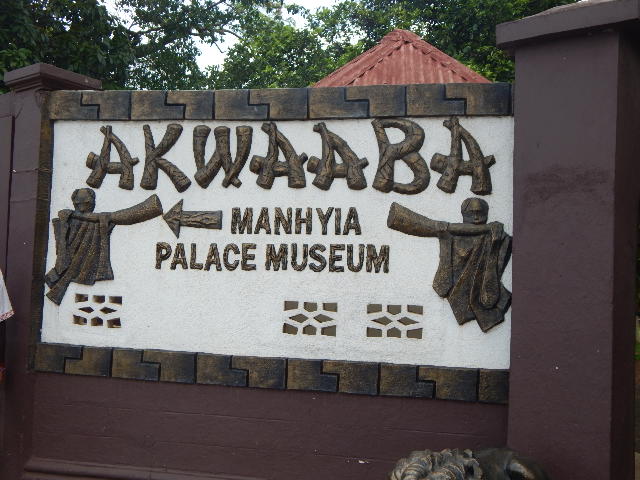
Museum in Kumasi (Ashanti Region)
Myth: They do not like African Americans.
My experience was that many of the people do like African Americans…and people in general. I was often referred to as “sister” (or “girlfriend” or “wife” by some guys who were really trying to push the envelope). The mindset of the Ghanaian people that I interacted with is , “We are family”. The people were extremely nice, helpful, and I felt very safe. I met some kindhearted individuals and made wonderful new friends during my time in Ghana.
My message to you is this:
Africa is a rich and enchanted continent.
Do not allow stereotypes, myths, and targeted media coverage prevent you from visiting Africa, meeting the beautiful people, or exploring other regions of this planet.
If the inner guidance of your heart is pulling you to venture out, give it a try.
A loving presence is understood across all cultures and languages.
In Joy and with Love,
Dana (Intuitive Dana)
http://www.metaphysicalfreedom.com
Questions about my trip? Contact me.

 Metaphysical Freedom