I believe that these three words can have more weight than “I love you”. For instance, I love people in general and I love my cat. Based on a previous definition I gave of love (Love…Anyone?), it is impersonal but also delightful.
Trust, on the other hand, is very personal. Merriam-Webster’s Dictionary defines trust as “assured reliance on the character, ability, strength, or truth of someone or something.” Sounds quite personal to me. Trust can be developed, or it can already be established, depending on the situation.
Either way, it can be lost.
Someone can love another person but feel he or she cannot trust that person. Trust is a delicate gift that requires vulnerability.
In my profession of healing and transformation, the people I serve must trust me. They trust me to keep their best interests in mind. They trust me to be knowledgeable and experienced in the services I provide. They trust me to honor their sacredness and respect their privacy. Most of my clients do not say the three words out loud, but their actions and willingness in the sessions speak to this truth.
Ultimately, when you trust someone, you are allowing yourself to be in the vulnerable space of innocence and complete surrender. One of the most detrimental things that can happen in this line of work is for the healer to violate or break the trust of their client.
I could go further into this issue, but I will focus more on things you can do (as a client) to see if someone is trustworthy. These suggestions are geared towards the healing profession; however they can also be applied to personal interactions as well:
Do your research (Is the person qualified? What do others say about their experiences with the person? What skills/characteristics are you looking for?)
Listen to your gut (Intuition supersedes intellect; Do you feel safe? Do you feel heard? Do you feel respected?)
Ask questions (Get clarification on whatever you need to.)
Express yourself (Make your requests and needs known. Then refer back to number 2.)
In a society that promotes selfishness and self-centered gains, it is important for those of us in the healing profession to be selfless and genuine about providing the service the client needs.
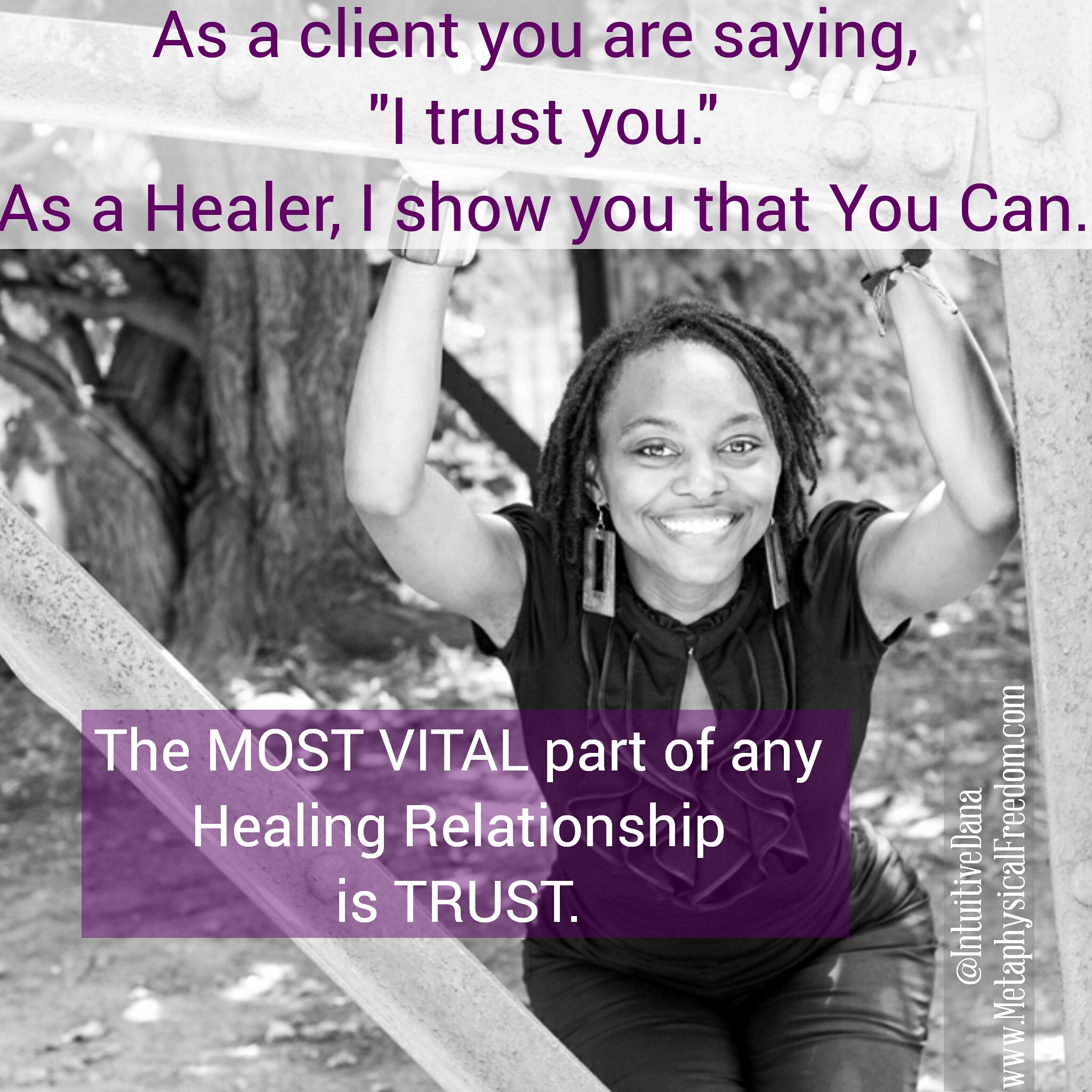
The MOST VITAL part of any healing relationship is TRUST.
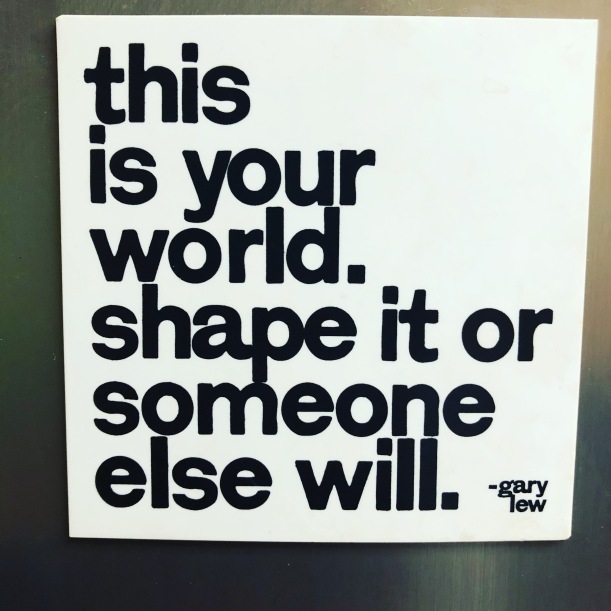
“This is your world. Shape it or someone else will.” -Gary Lew
This is one of the reasons why I do what I do.
We live in a world where there are several, easily accessible distractions from Self and the transformative power within.
I took a hiatus from blogging and public speaking to detach and recharge from all the energetic “stuff” that has been happening, to re-mind myself of what is true for me, and to stay grounded in this knowledge by seeing through the distractions.
We can become so accustomed to looking at social media, websites, and the news that these things easily become subconscious influencers.
The next time you scroll or flip the channel, think about what you really believe, what you really desire for yourself (and the world), and if the things you are entertaining and doing match those desires. If not, put down the phone (tablet, remote, etc.), wake up from the distractions, and do something different.
Communication is the most important aspect to any and every relationship. There are different types of communication: Verbal, Nonverbal, and Paraverbal. PLUS, your Energetic Space/Aura/Overall Vibe communicates to others as well.
As a counselor, coach, and speaker, I am constantly communicating. However, I too have made the mistake of misjudging or making assumptions while communicating with others (especially in my personal life). These mistakes can be costly…leading to hurt feelings, lack of depth, and even loss of the relationships.
Maybe you just celebrated Valentine’s Day or an anniversary of some sort. Good job, you’re on the right track! Now, take a step back and see what your partner, friend, coworker, etc. is communicating to you. We can dive into the different types of communication here:
Nonverbal Communication– Most of our communication is nonverbal, meaning it is not what we say, but everything else. You may have heard this before, but let’s break this down into 2 main parts of nonverbal communication.
1. Proxemics-This is a fancy word that describes how physically close the person is to you, or you to the other person. Typically, the more physical closeness indicates more intimacy (emotional, mental, physical, etc.)
2. Kinesics-This is the fancy word to describe what most people would call body language. This includes movements, gestures, and facial expressions
Paraverbal Communication– Our vocal part of speech, which is our tone, volume, and how fast or slow we talk.
I am often a fast talker. Get me excited, and I talk faster. When I work with the people I serve, I am mindful of this, and I adjust. It makes a world of difference to have an even pace and a calm tone.
The way you say something matters!
Examples: “I didn’t say you were dumb.”– Say this with an even tone. Now try this one, “I didn’t say you were DUMB.” -Emphasize the last word. If you say this out loud, you can see that one of them is not meant to insult, whereas the other may cause conflict.
Of course, the other type of communication that I will address here is…
Verbal Communication: It is the use of words to relay a message or express an idea.
This is where many of us get caught up. In the emotional tornado of a moment, we might forget to pause and use mindful communication instead of emotionally driven words.
Let’s tie this in with conflict resolution. If there is conflict, I ask that you try these two things: Be willing to be wrong. Be willing to apologize.
Just an FYI: Conflict is a natural occurrence. The term has been blown up into great proportions meaning war, fighting, and death, but in reality, conflict is a simple, and organic process. Conflict arises because there are different perspectives within the same situation or regarding the same topic. It’s just that simple. We are individuals, so by default, there will be times when we do not have the same point of view. That is the core of conflict. It has been over-sensationalized through media. (That may be for another blog).
One of the keys to facing conflict and communicating effectively is to use Mindful Communication.
7 Core Guidelines for Mindful Communication: 1. LISTEN(And appear like you are listening)-As a counselor, I have gone through several hours of training to be more present with others as they share with me. We call it active listening. You don’t have to be a therapist to actively listen. The concept is simple: Make eye contact, don’t speak-unless you are affirming or encouraging the other to continue sharing, keep your body open, LISTEN FOR FEELINGS, and SEEK to UNDERSTAND what is being said.
Mindfulness Tip for #1–Detach emotionally. Keep in mind that the person you are listening to has something that he or she needs to express. Think to yourself, “Let me be here now. There is something that this person needs to say. I am listening.”
2. REFLECT or RESTATE WHAT YOUR HEARD-Do this BEFORE you share anything about your point of view.
Sometimes this step gets lost. Unfortunately, I have been guilty of this at times. For example, if your partner says, “I worked really hard to get those things that you wanted taken care of, and you don’t appreciate it.”
Be mindful and attentive to these things about your partner: Tone of voice, Energy level, Facial expressions, and mood. Notice…how close is the person to you physically?
Before you start saying your response, do this: A) Listen for the feeling being conveyed; B) Make eye contact (non-threatening); then C) Start with a statement acknowledging what you think you heard. “I hear you saying that you don’t feel appreciated for the hard work you did for me.”
3. CLARIFY: After you restate, check in with the person to make sure you got it right. “Did I hear you correctly?”Truth of the matter is that the person will let you know what’s up and if you got it right. This part is VALUABLE. Clarifying gives you the opportunity to understand the other person. At the very basic level, we communicate in order to express ourselves and to be understood. Understanding someone does not mean that you agree with what is said. It means that you are grasping the view of another’s perspective. Once you have gained clarity, then you can share your point of view from a more accurate perspective because you are identifying the real “issue.”
Mindfulness Tip for #3–Be patient and BREATHE. Take a moment to reflect on the person’s underlying message. Do not get swept away in emotions or the person’s emotional response. Ask, with the sole intention to get clear on what the person is saying.
4. OWN YOUR THOUGHTS AND FEELINGS, and share them: Use “I” statements instead of “You did this…”, “You make me…” etc.
Example: “When you say that I do not appreciate you, I feel hurt. I understand what you are feeling and what made you feel that way. I did not see it that way, and I was not aware of your disappointment. I have been working several extra hours each day and I feel more tired than usual.”
Mindfulness Tip for #4–Take a few calming, deep breaths and FOCUS ON YOUR HEART chakra. This is the space where you have affinity for others (and self). Speak from this place.
5. CHECK IN AGAIN AND SUMMARIZE: Allow the person to reflect back to you for clarity. (Make sure to use all the other skills mentioned above if needed.)
6. COMPROMISE/RESOLUTION: Remember the main reason for conflict? It is because different perspectives are related to the same situation. Often, there is a common ground or a space for compromise. During this step, request or offer a solution.
Example: “What would you like for me to do differently?”
Apply the skills from steps 1-5 again. Stay on the same topic! Focus only on 1 thing at this time.
Mindfulness tip for #6–BREATHE and remember that A SOLUTION IS ALREADY PRESENT
7. RE-ADDRESS the concern later on: This step might not be needed every time. However, if you and the other person aren’t able to address the issue well enough at the time it is presented, set a date to come back to it. A refreshed point of view about a conflict can make it easier to resolve.
Take these steps into consideration every time you are communicating with someone. This is the practice of mindful communication. It aids in developing healthy communication styles, preventing or resolving conflict, and developing a greater level of understanding.
Communicated with love, Dana D. Robinson (Intuitive Dana)
Approximately 5 days prior to my return from my journey in Ghana, many people started messaging me frequently. Most of the messages said one of two things: “When are you coming home?” or “You’ll be coming home soon!” I kept on receiving those messages almost daily. I felt conflicted when I read them. By this point, I had gotten accustomed to being away from the US, and was excitedly exploring areas of Ghana on my own.
In the beginning of the trip, I was anxiously trying to make sure that I had access to wifi. I have this app on my phone (that I will keep anonymous for now) that allows me to communicate with anyone across the globe who also has the app. The more that I let go of my fears about being overseas, the less that I looked at my phone to see if there was a wifi connection. So, by the time I had reached the closing of my trip, I really did not overwhelm myself with using the app, unless I was talking with the locals and a few friends.
Plus, part of the conflict I was experiencing was because I kept thinking and wanting to reply, “I AM home.”
I loved walking freely down the streets with the locals, smiling, wearing my summer dresses, eating fried or fire-baked plantains, slurping down the sweet chunks of local pineapple, and having heartfelt discussions with fellow young adults about ways we can unify our world.
I was definitely Home.
Yet the time came for me to leave. I was very upset, but checked in with my heart and got clear: “All is in Divine Order and there is a reason for my return at this time”.
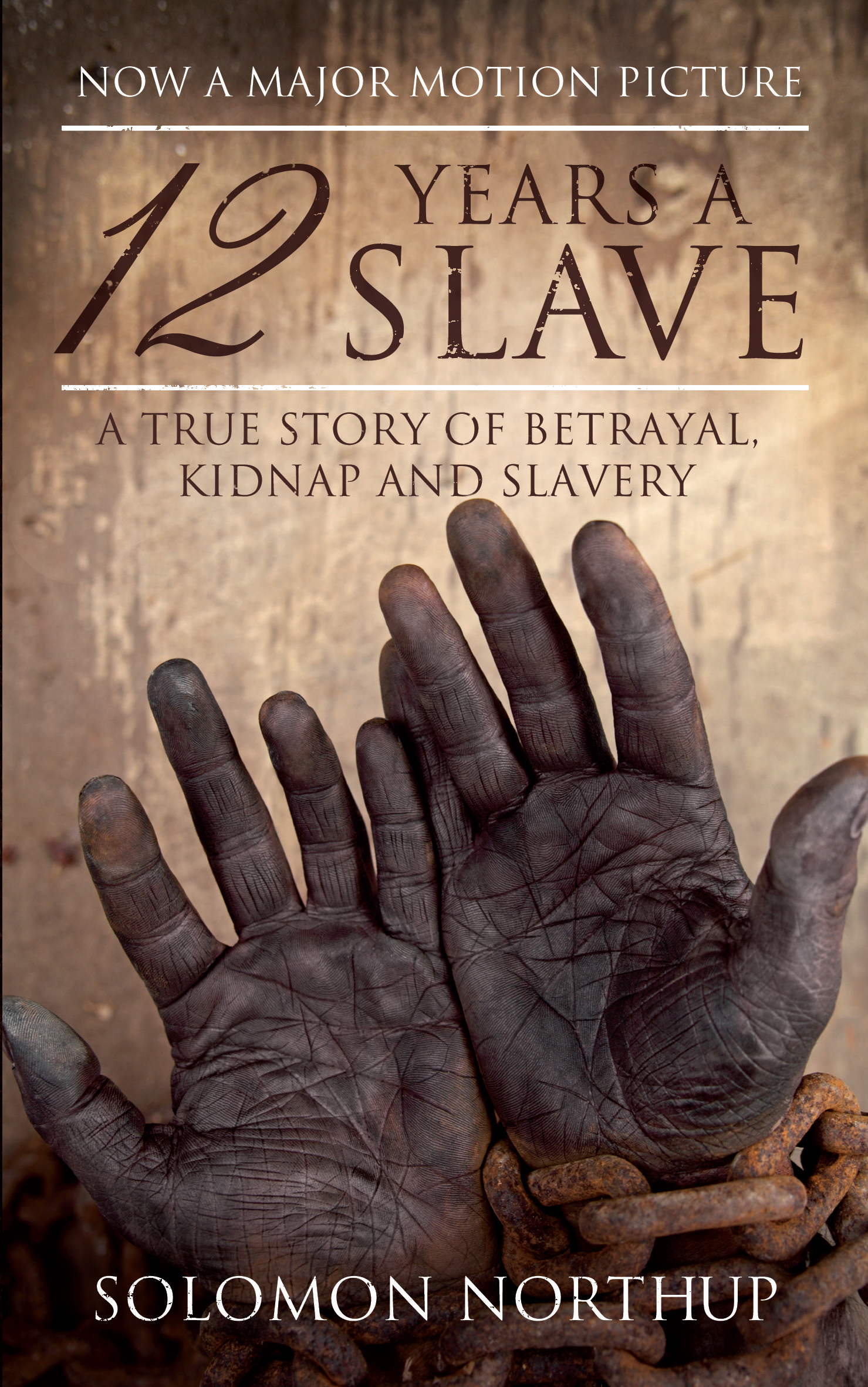
I got on the plane heading back to the US. It was going to be at least an 11-hour flight into JFK airport, and then another 3 hours or so back to Atlanta. I wanted to stay awake for most of the trip, so I decided to watch movies while I was on the plane. There were several choices, but I was drawn to two particular films. I watched Selma and 12 Years A Slave during my flight back to the United States of America…coming from Ghana, West Africa.
Notice any irony?
Needless to say, I am not sure what drew me to those films (and I knew what they were about), but watching them during the flight had more of an impact than I had imagined. I cried, felt disgusted, and was reminded of another fact about the foundational history of the place I was heading to.
So many thoughts and emotions rolled through me. My parents, who are in their late 60’s and early 70’s now, were once forced to use public amenities that were for “Coloreds/Blacks Only”. They went to schools that were segregated. They saw the life of Martin Luther King, Jr. inreal time. My dad marched in demonstrations, and I recalled marching with him and local members of the community as a very young girl in order to commemorate Martin Luther King, Jr’s activism when he visited my home town. (Where he was arrested, by the way.)
Then I landed on US soil. I made it back into Atlanta, Georgia, and attempted to re-assimilate myself into American culture by catching up on the latest news. The first thing that I heard about was another shooting of an African American male. I turned off the news and sat in silence for a few hours. I felt numb and heavily detached, because I knew (and know) that this does not have to be.
Not long after that, the shootings in Charleston occurred. Once again, I thought about my experience in Ghana, and then recalled what I was witnessing here in America. It was challenging to go from an environment that oozes with freedom into a place that began to feel oppressive and constrictive. But I always remember that I have choice, andI can choose my own thoughts.
From our thoughts, our feelings and behaviors are affected. We can choose to interact with our environment from an intentional and positive mindset.
Yet, I still chose to reflect upon the history of America…briefly.
Many Americans know that this country was built from the desires of ego-centered men who seemed to have lacked understanding of the True Essence of humanity as a whole. Here it is, the 4th of July, where many of us Americans celebrate Independence Day. Yet, what is really being celebrated? The signing of the Declaration of Independence is not completely about freedom. (I also learned that some colonists did not sign it until an anti-slavery clause was taken out of it, but that may be for another blog post.)
Essentially, the 4th of July is celebrated because the colonies chose to declare their independence from Britain. The colonists were upset with Britain because they were being taxed, feeling stressed, and various rules were placed upon them that they did not like. But think about it…aren’t these same types of taxations and rules in existence in the country right now?
So I ask you, “What are you celebrating?”
I love this line in Bob Marley’s Redemption Song:
“Emancipate yourself from mental slavery. None but ourselves can free our mind.”
One of the reasons I named my company Metaphysical Freedom is because Freedom first begins in the mind. For example: The colonists who declared their freedom from Britain first had to THINK they could be free from British rule. The slaves who fought for freedom first had to THINK that they could be free. The activists who marched for Civil Rights first had to THINK that change was possible.
I encourage you to recognize the power of your mind and the unshakable freedom that you have from owning your own thoughts and creating your experience from your authentic mind. Not from what someone else has told you, and NOT based on history. History does NOT have to repeat itself, and would not be able to if we renewed our minds and evolved.
You and I KNOW that there is a better way for ALL of us to live on this planet, and that is in HARMONY with it and each other.
I toured a small portion of the country and gathered as much information as I could about the people, culture, language, and customs. Most of the Ghanaian people are Christian, and there is also a large Muslim population as well. The day after Easter Sunday, I visited the beautiful Aburi Botanical Gardens for an Easter Monday festival. There was a live band, picnics, dancing, singing, games, and lots of food everywhere. I noticed the FREEDOM of the people, unlike anything else I have ever experienced. Everywhere that I looked, everyone was walking around confidently, laughing, smiling, and LIVING in the moment. I loved every moment of it!
Without me saying a word, people noticed that I was “different”and often asked if I was African at all. A few people said to me that my skin was too light, so they were willing to believe I was from South Africa. I found that hard to believe, because I have a brown complexion. (Then, I jokingly thought about the 13% of my lineage that is European.) After this happened frequently, I learned very quickly not to be bothered by these statements because I knew that it was only curiosity.
I met two young men in their 20’s at Aburi. Their names were Francis and Joe. They were excited to meet an American and asked me hundreds of questions. The first thing they said was, “Are you a Black American?” I nodded. Francis and Joe expressed that they wanted to come to America so that they can have jobs and live a good life. I did not want to discourage them, but I was realistic and told them that many people in America are having difficulty finding work. They looked puzzled so I explained more about the American economy until they understood.
I asked Francis and Joe for their Ghanaian names. With hesitance, they told me. Then, they asked me what my African name was. I told them that I did not know. They looked so surprised at me and asked why I didn’t know. I had to explain to them how slavery impacted my family (and many others) to the point where I could not tell them my whole lineage or my ancestors’ names. They continued to look surprised and a little empathetic.
We continued our conversations and talked about several issues facing each country. I wanted them to know how much freedom they truly have and how amazing life can be, right where they were. I ended up talking to them for a few hours, but it was worth it. After our conversation, they each told me their native names again, and with pride.
New friends Francis and Joe at Aburi
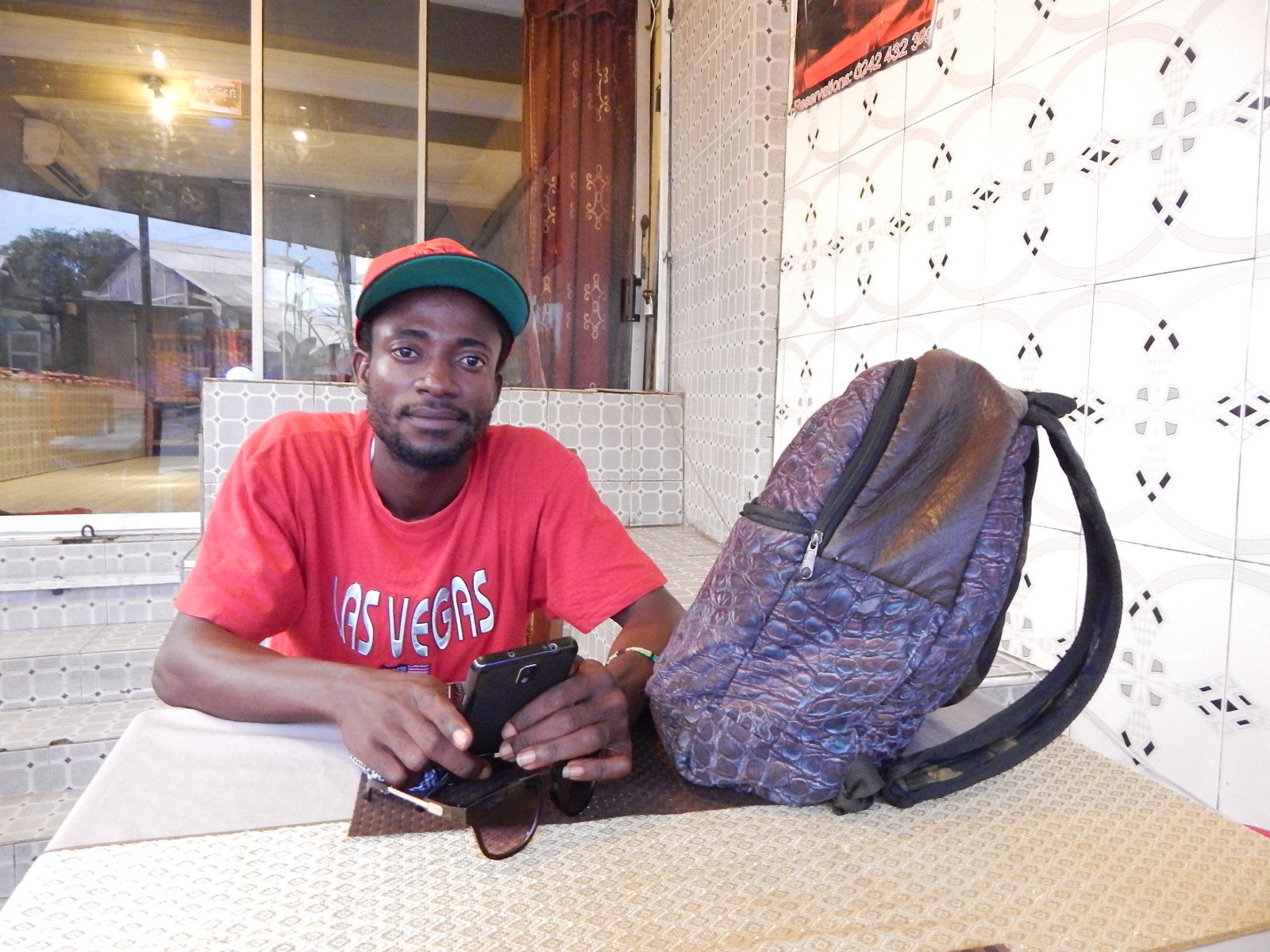
There are talented young people in Ghana. I met Jacob during some downtime. Jacob is a creative and fashion-forward young adult. He makes handbags, shoes, accessories, clothing, and much more…ALL BY HAND. As I learned more about him, I discovered that he had given a large portion of his products to someone in another country who paid him little to nothing for it and now sells it in her store for 120x’s more. I encouraged Jacob to share his work globally using social media, instead of just in Ghana. I pointed out to him that he spends a lot of time and effort to do his work, so he should get back what it is worth. He agreed, and has started working with a Facebook page to share his work. (https://www.facebook.com/pages/Ja-Creation/832268476851066)
Jacob, a talented and fashion-forward guy. He makes shoes, clothing, handbags, and accessories. By the way, he made the bookbag in this picture.
Hanging out with Jacob and taking selfies at a local Lounge in Tema
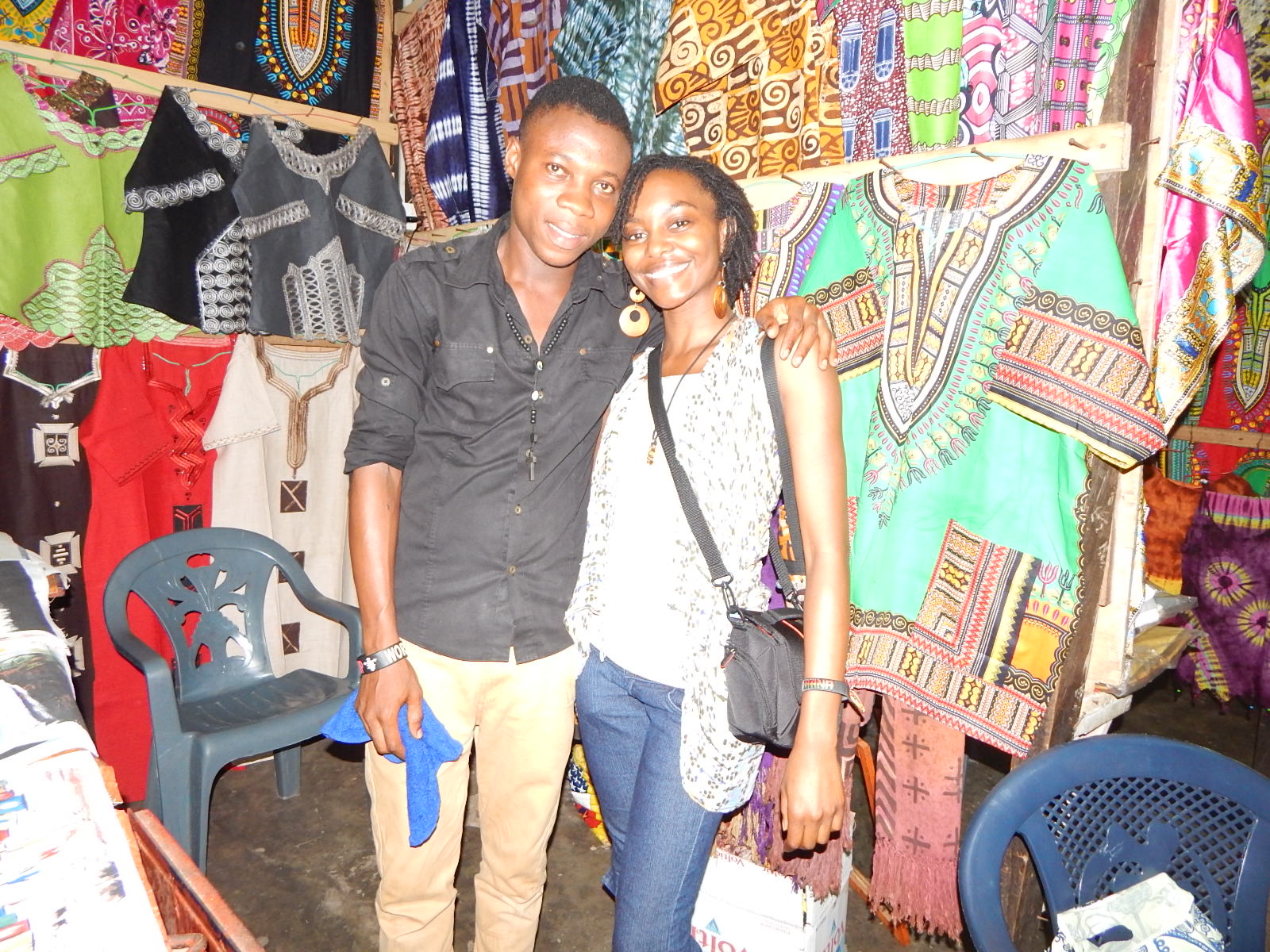
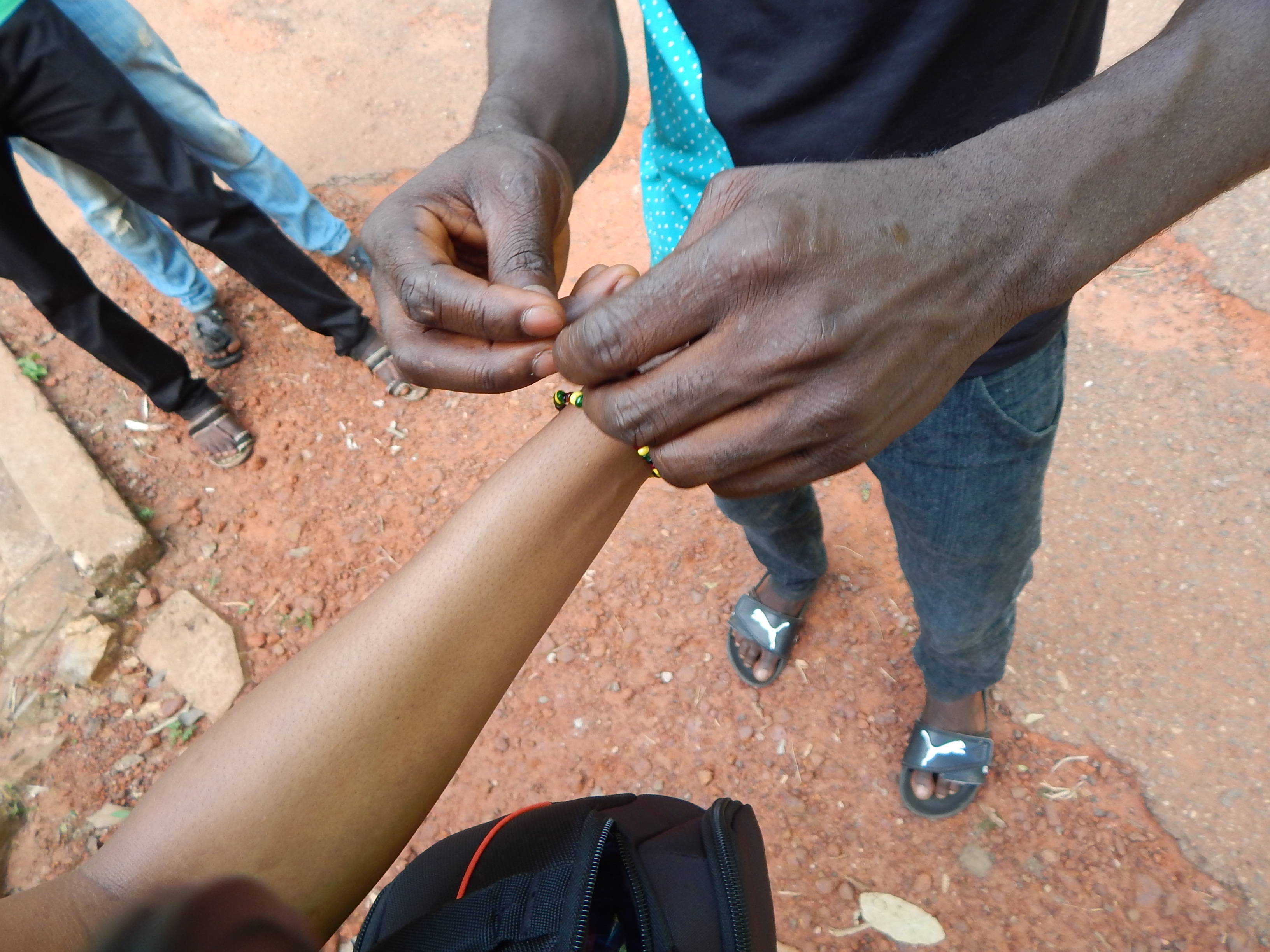
I also had the pleasure of meeting Kingsford. He is another young adult, and he works in one of the small shops in the Accra Arts Center area. He was cool, kind, and made very nice bracelets…BY HAND. I supported his business by getting personalized bracelets made. I would sit in the chair and chat with him while he made them.
Kingsford making a personalized bracelet.
Giving Kingsford a goodbye hug and thanking him.
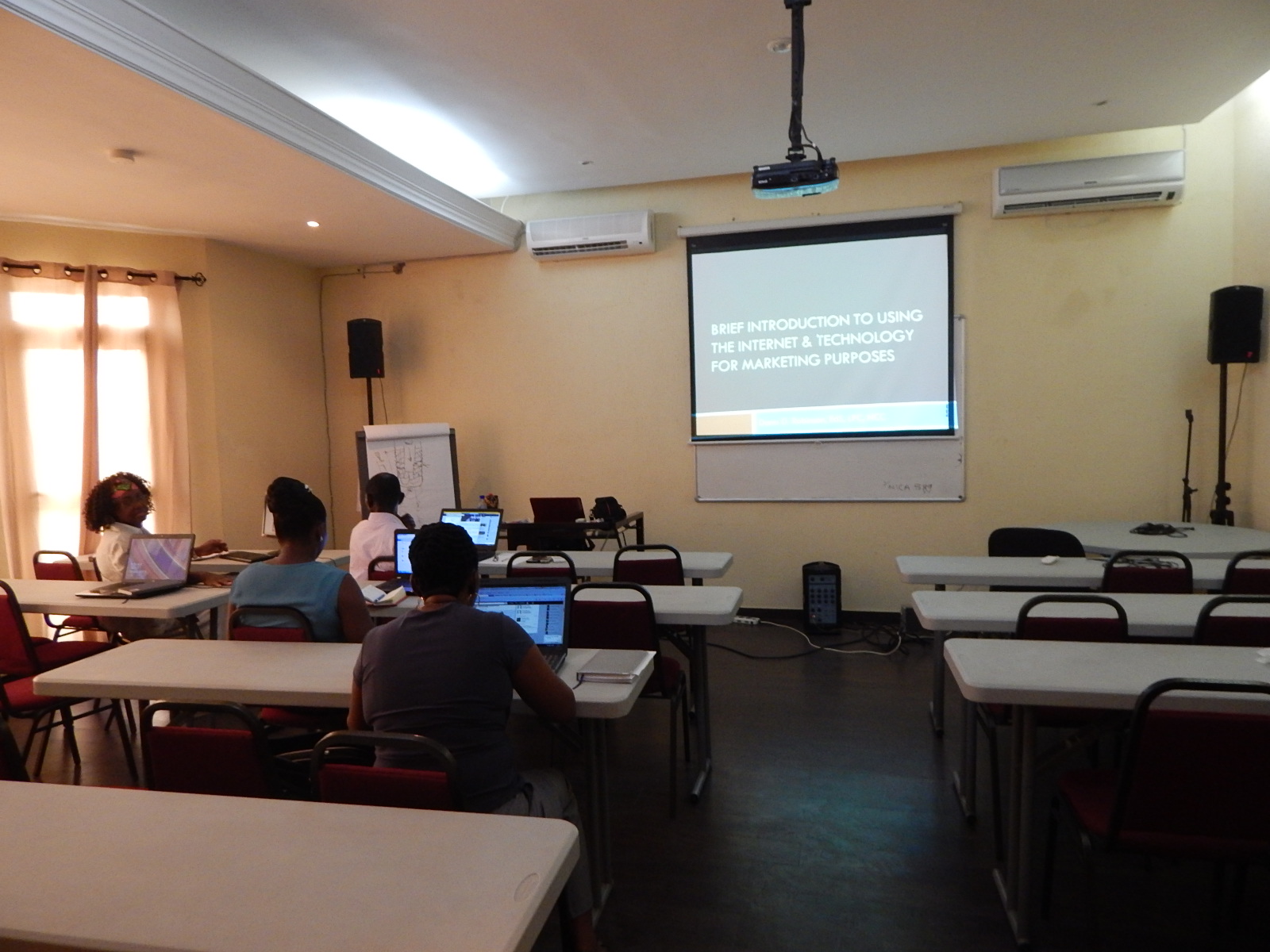
My next to last week in Ghana, I stayed at the home of a missionary woman. She worked with several organizations and had numerous projects. One day, she asked if I could sit in on a meeting and give feedback based on my perspective. I agreed. The meeting was at the Malku Institute of Technology. The topic of interest was marketing and social media. I gave my honest opinion and shared research that I had read. Surprisingly to me, I was asked to come back and present a workshop to the core staff about the topic. I was thrilled to do so, and I put together a simple presentation to assist them in the best way that I knew how.
As I continued with the intention to connect with the Ghanaian people, I discovered that the ones I connected with were ones who needed to be encouraged and reminded that they are worthy of greatness. (Don’t we all need that?!)
Here is another person that I met. Thomas, pictured below. He was my cab driver during my last week in Ghana. Thomas is 70 years old, and has 2 adult children living in New York. He and I had great conversations about spirituality, religion, and stages of the lifespan. Thomas shared that he feels like his time on Earth is about to be up. He said, “My kids are grown and a lot of my friends are dead.” I expressed to him that there is so much life to live right now. He smiled when we talked and shared, “I wish we could have met sooner so we can really talk about Life!” Before I left, he commanded me, “You come back in a year, and I want to meet your husband and baby.” This statement made me laugh.
All in all, I loved to hear Thomas’s perspective, yet most importantly, he also appreciated my willingness to listen.
By the last week of my trip, most people said to me, “Are you Ghanaian? You look Ghanaian.” I was so amused by this because the only thing that changed for me was that I felt less like a tourist or visitor and more like I was at home.
When my host family asked me how I felt about being in Africa and specifically in Ghana, I replied: “I see the faces of my friends and family in the people here.”
It easily felt like home, indeed.
Think about this:
The more we seek to understand each other, the less and less we support the false barriers that exist between us.
Joe gifted me with a bracelet and asked to be a lifelong friend.
One of the many reasons that I traveled to Ghana and spent a month there is because I wanted to learn more about my African roots. One of my siblings did the DNA genealogy test to help us to determine what regions/countries that our ancestors came from. To me, the test results were…well…they weren’t very conclusive. They read something like: Overall 85% from Africa (of course), then it was broken down into countries- Cameroon/Congo 31%, Ivory Coast/Ghana 26%, Nigeria 10%, and traces of Senegal 7%, Mali 4%, Togo/Benin 4%, and the South-Eastern Bantu region 2%. The other percentages were roughly 13% European and 2% Central Asian. When I first heard the results, I asked, “What does that really mean?” I don’t believe that the same borders or boundaries existed when my early ancestors were living freely on the land hundreds of years ago, so I figured that Ghana would be a good place in West Africa to learn at least something about the people I come from.
I grew up in South Georgia with small beginnings on family farmland in the countryside. The farms were former plantations. I remember having family get-togethers outside where we fried fish in a large pot of oil over an open flame. We had live animals running around…horses, pigs, chickens, and the family dogs. My uncles loved cooking Brunswick stew, or bringing back fresh fish from the local river. My dad would cut sugar cane, and we all enjoyed chewing it to get the sweet “juice”. I remember when I was very young, I used to sit on my great grandmother’s porch overlooking the farmland and help her to “shuck” corn.
Some of the houses were more like shacks because they were built by family members and had tin roofs. We called some of them “shotgun” houses because you could walk into the front door and see straight through the house all the way to the back door.
Even when we moved to the city, we continued some of our lifestyle. We grew plums, pecans, figs, blackberries, and peppers in our own yard.
Life was simple and rich.
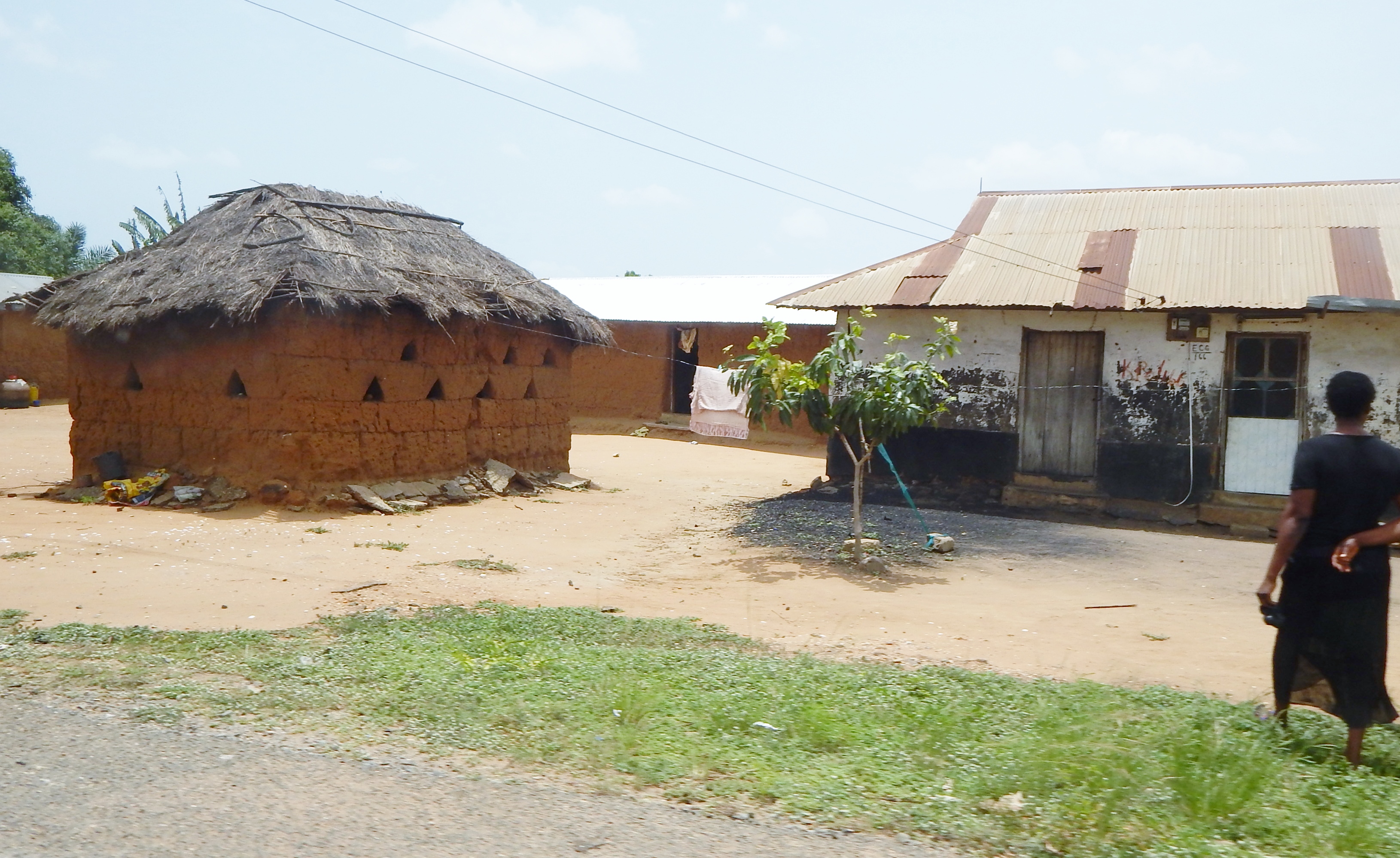
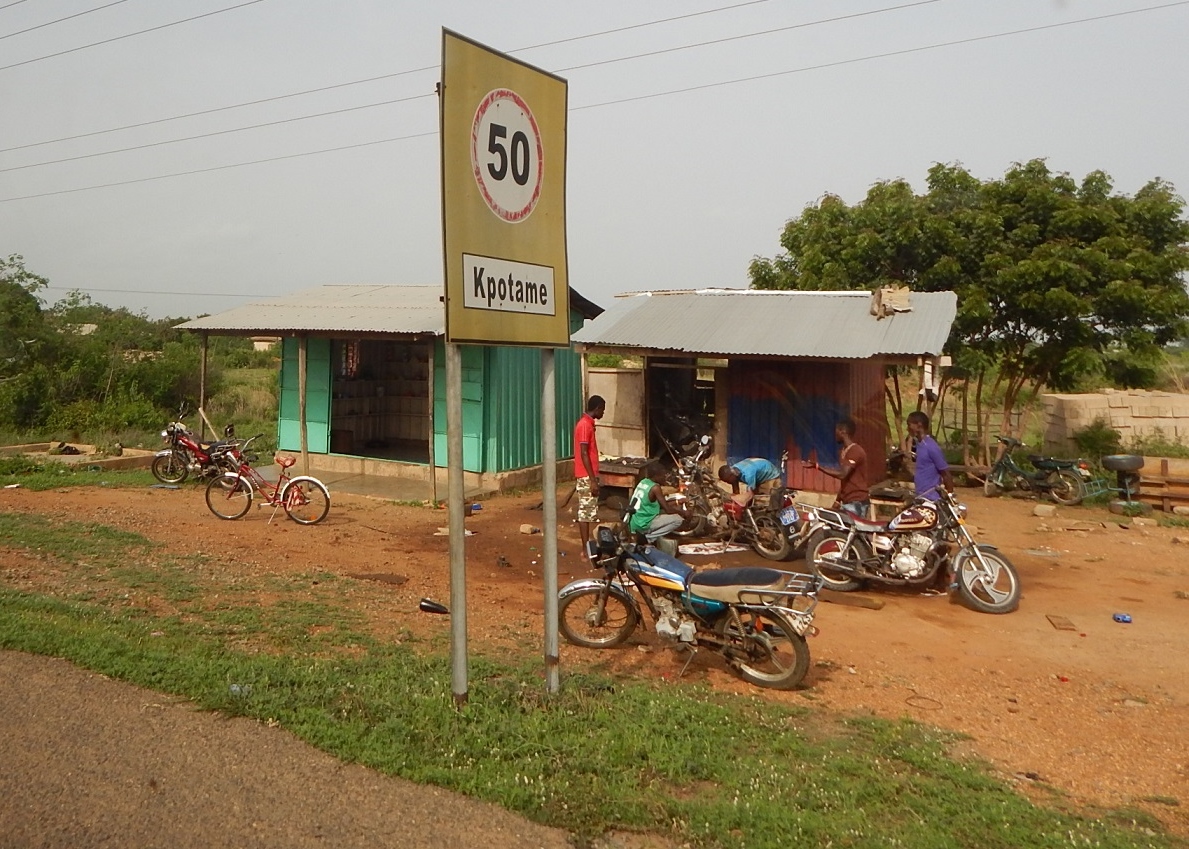
Sogakope, Ghana in the Volta Region felt the most like my hometown to me. There were mostly dirt roads, several handmade houses, and the people were laid-back.
A few homes in Sogakope
Mango tree in the yard
Food stand: Pineapple, yam, plantain, palm nuts, and chopped sugar cane (at the bottom)
Laid-back moto riders relaxing by a “shack”
Something else that was interesting to me was related to funerals.My family usually wears black to funerals. However, if it is a grandparent that dies, we (as grandchildren) wear white instead. I don’t remember questioning why we had this tradition.
During my time in Ghana, I learned that red, black, and white are the funeral colors for Ghanaians. The people wear red if it is a young person who has passed away. They wear black if it is an adult/middle-aged person. They wear white if it is an elderly person. I felt a sense of satisfaction with this information and pondered if our family tradition was a watered-down version of an ancestral practice.
One final thing that caught my attention and felt comforting was the clothes-washing. Almost everyone hand-washes their clothing and hangs them out on a line to dry. My parents grew up doing the same thing, and they did the same for us. At some point, we had a washing machine, but we NEVER had a dryer, so we used a clothesline. As a teen, I used to be ashamed of it, but now I smile joyfully about it. (Plus, it is very environmentally friendly.)
Clothes hanging on the clothesline at a university guest house.
These small similarities made me feel more at ease in the “foreign” country. I started to pay more conscious attention to the people, and began to see familiarity in all of them.
It is such a pleasure to notice the small things that connect us all as a people.
In March 2015, I traveled to Ghana, West Africa and stayed for a month.This was my first official flight overseas, so I was nervous. I was not sure what to expect on my way to Ghana. I flew solo, and was going to meet my host family at the final destination in Accra. I took a red-eye flight, but there was a brief layover in Amsterdam. When I made it to Amsterdam, I could already feel a difference in the air. There was a sense of movement and action that did not feel like mindless busyness.
My layover was only for a few hours, so I made my way to the next gate for the plane heading to Accra, Ghana. When I got to the gate, I immediately noticed that almost everyone was Black. The people’s beautiful dark skin had a supernatural glow. I KNEW I was among Africans. It was an exciting feeling. The second part of the flight was long and turbulent. When the plane landed in Accra that night, most of the passengers applauded in relief. Shuttle buses came to the plane to pick up the passengers and take us into the airport. It was raining and humid, but I was in Africa!!
The customs line was long, and I had to wait for over an hour to make it through. Many diverse people were in the line with me. I saw Chinese, Lebanese, Nigerian, Belgian, and Canadian visitors, just to name a few. I admit that I was surprised to see many “foreigners” coming to Ghana. Then it hit me…I realized that I may have had some subconscious stereotypes and misconceptions about Africa even though I consider myself to be a very open-minded and an independent thinker. Due to this realization, this first post of the series is going to address some of the stereotypes and myths that many people might have about Africa. Although I was only in Ghana, I think that a lot of this information is relevant.
Language Stereotype
Prior to leaving the US, many people asked me, “Do they even speak English over there?” Often times, the tone of the question was condescending and judgmental more than curious.
To answer that question…Yes. A majority of the people in Ghana do speak some English (and also one or more of the native dialects).
Honestly, even if the people didn’t speak English, I was willing to learntheir language. As people of a culturally diverse world, I think it is beneficial not to be xenophobic or extremely ethnocentric. It benefits us if we do not go into another country expecting the people to speak the language that we are most comfortable or familiar with. It causes us to open up and develop an understanding of each other that verbal language can sometimes distract us from.
But yes, a majority of the people spoke English. This was a blessing, and I was extremely grateful.
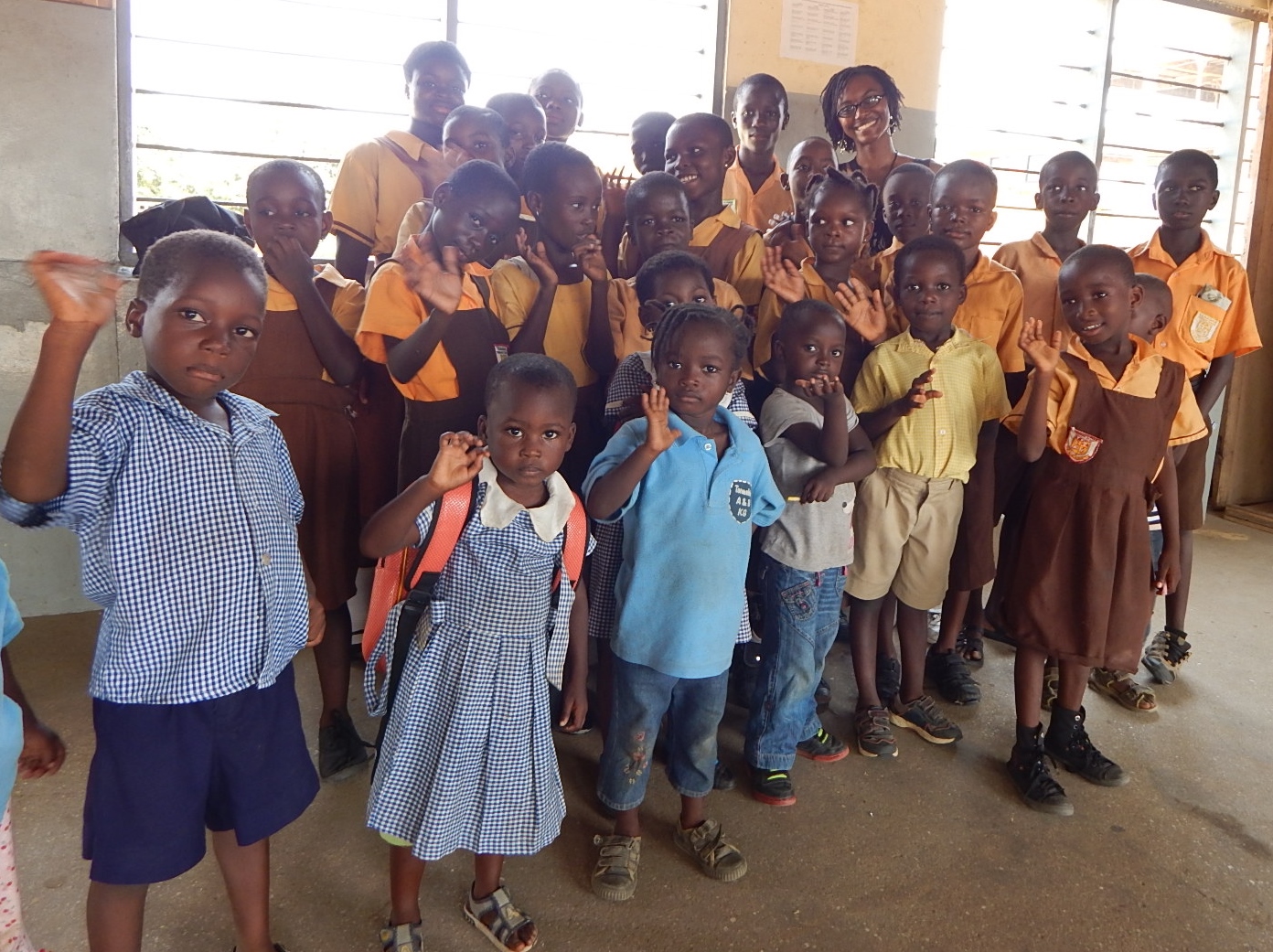
Sign Above the door at a Primary school
Stereotype: There is extreme Lack of Education This is not completely true. There are professionals such as doctors, lawyers, pharmacists, teachers, etc in Ghana. I did notice that public schools seemed to get the least amount of assistance and care. The conditions were not the best ones for learning. (I will discuss this in a more in depth post later on in the series.)
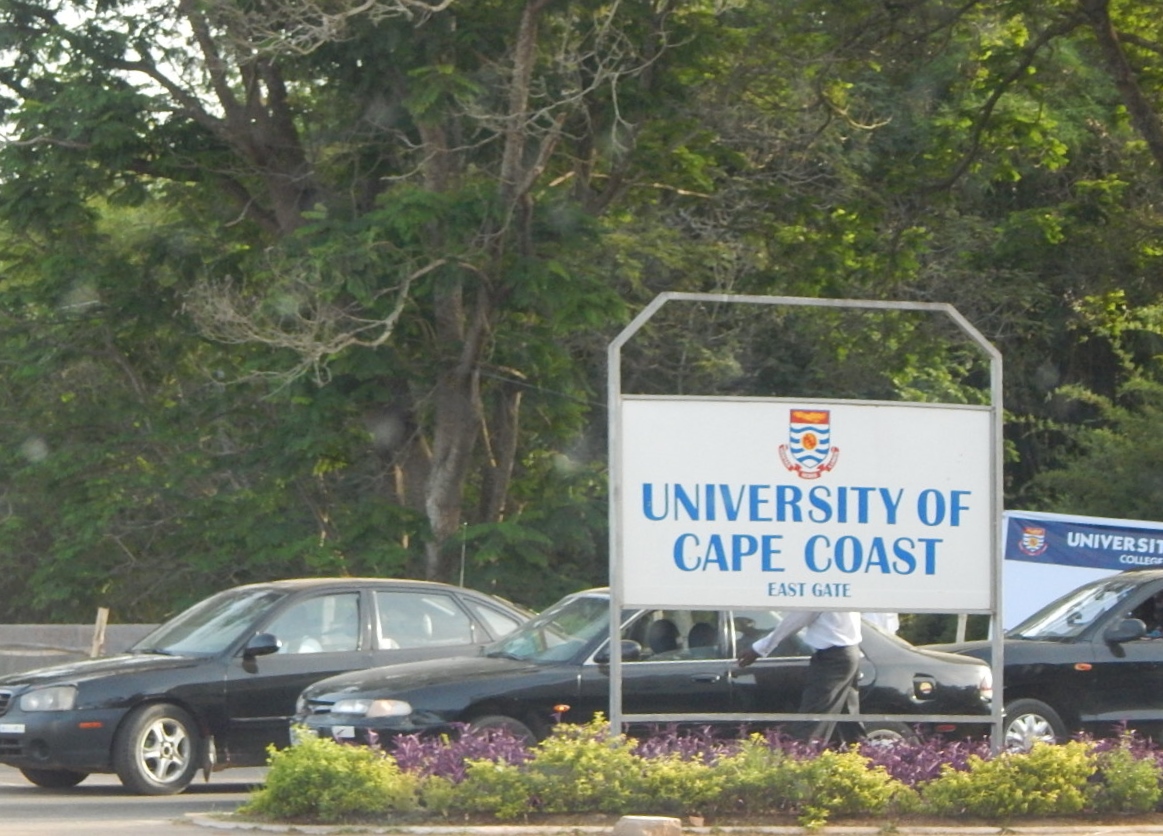
There are colleges, universities, and tech schools in Ghana.
Stereotype: People only wear Traditional Clothing I can admit that I expected a majority of the Ghanaian people to dress in traditional African clothing. This was not the case.
In all of the places that I visited, the majority of the people were dressed similar to me or my close friends. They looked like Americans. I did learn that this varied based on regions, belief systems, and age.
Adults waiting for a ride near the Volta Region.
Young people dancing in the park at Aburi Botanical Gardens.
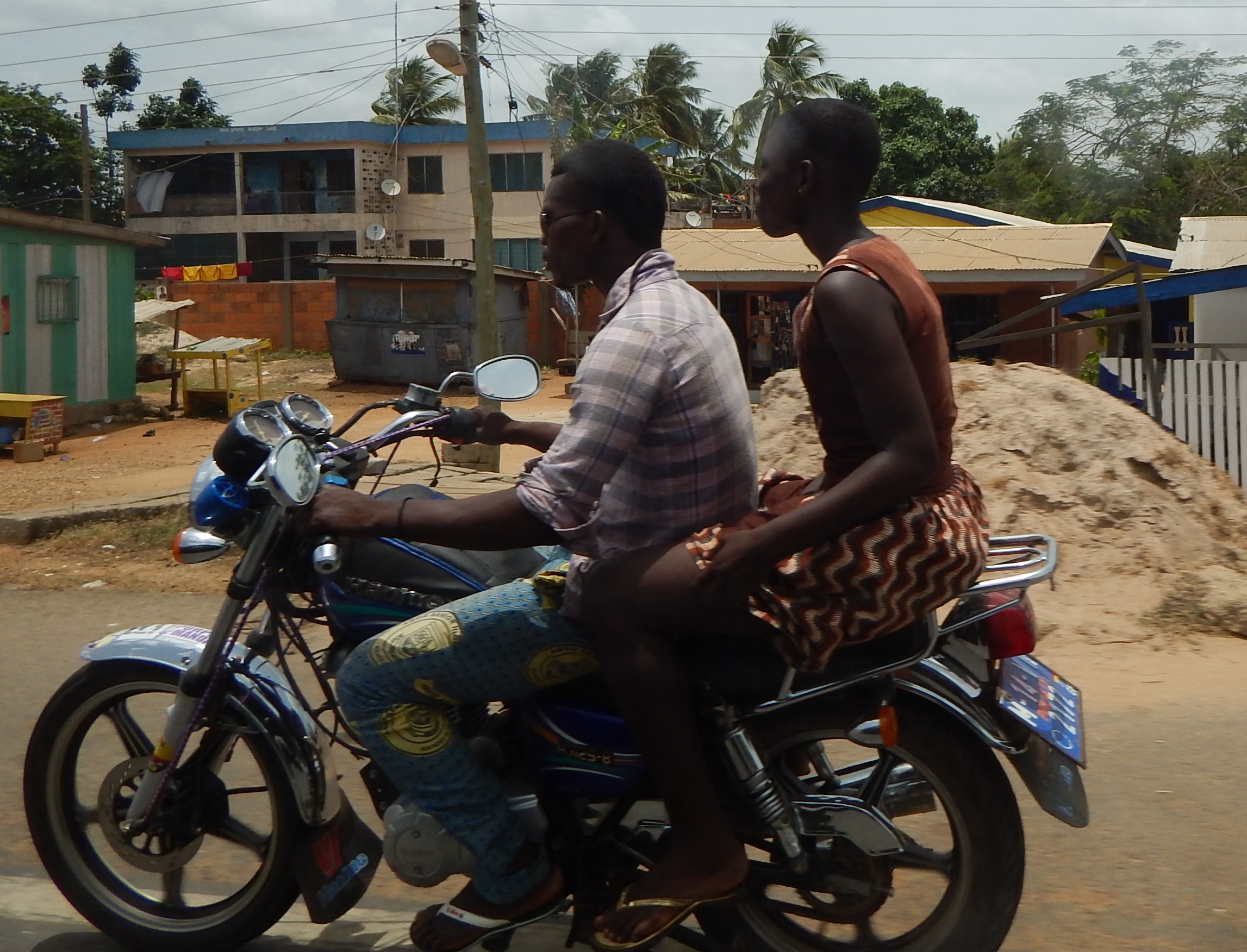
Myth: There are only Dirt Roads and Villages with no Running Water or Electricity There are some paved roads, and there are some unpaved roads in Ghana. I had the joy of experiencing both. In some areas, when it rains, the paved roads get washed away and turn back into muddy roads with enormous craters. It can make for a bumpy ride or limited access to areas, especially if you do not have a moto (motorcycle).
Man and woman riding the moto near the Volta Region.
There are traditional villages and thatch roof houses like the ones that are often portrayed on television. However, many people do have homes like the ones in America, and they are HUGE!
Village home in Dodowa.
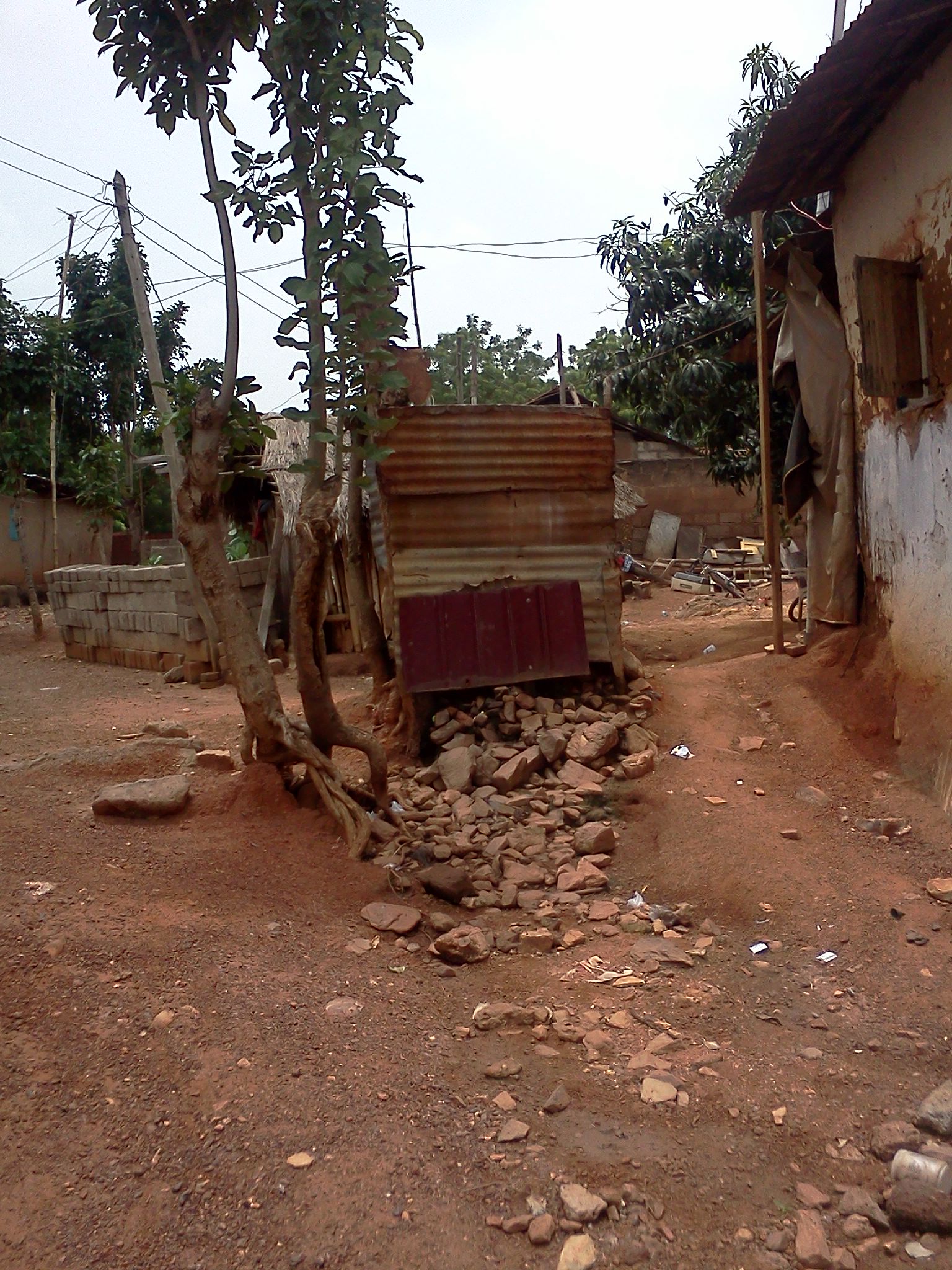
Back view of a “toilet” at a village home in Dodowa. The owner was kind enough to let me use it.
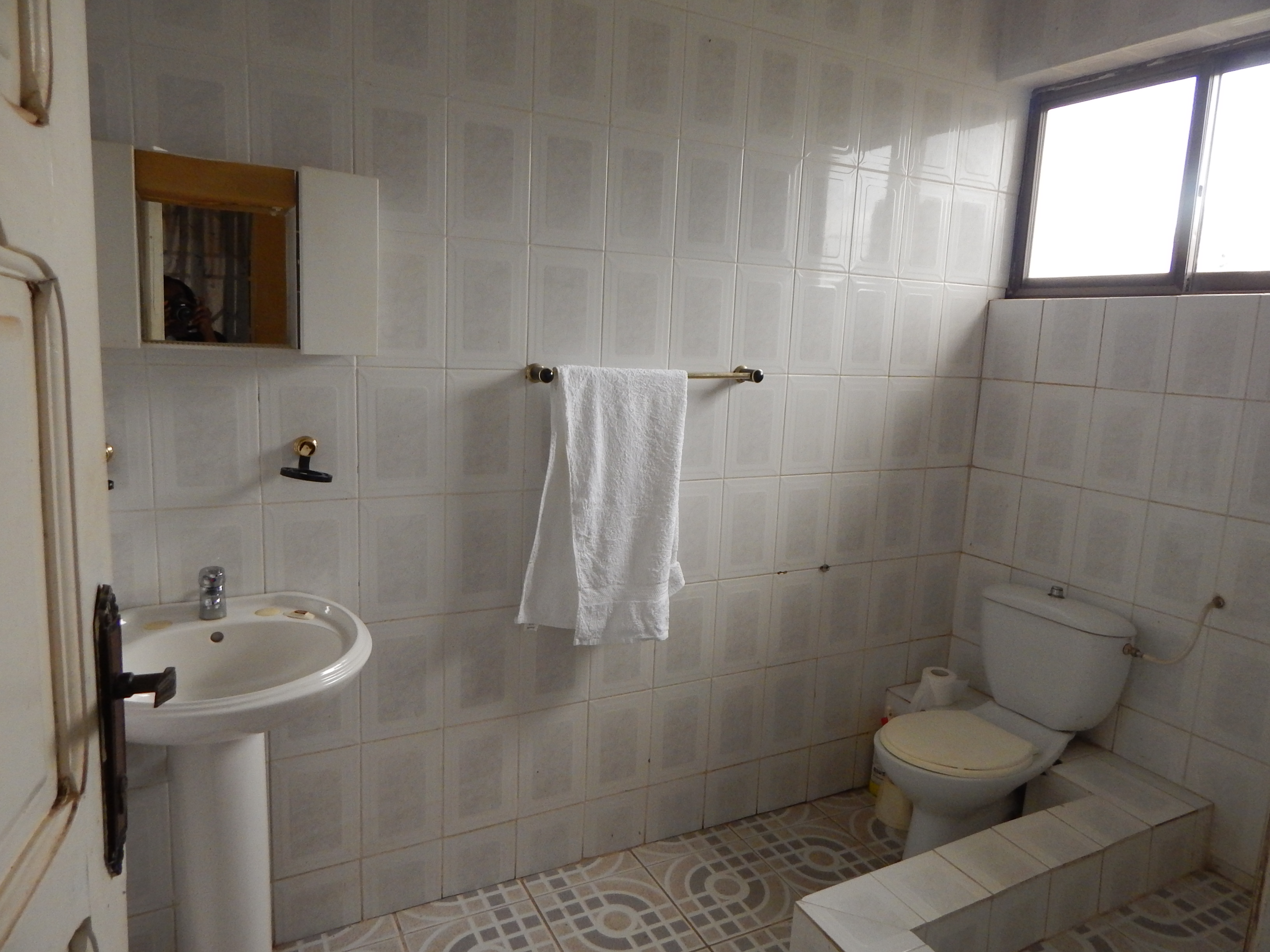
Private bathroom in my bedroom in West Legon.
There IS running water and electricity in parts of Ghana. Not all places have running water or electricity, but many of them do. Unfortunately there is an issue with frequent electricity outages. The people are accustomed to it, and even have a name for it: Doomsor. Some days I had electricity, but almost every day I did not have electricity for 6, 12, or more hours. I seldom had hot water, but it was bearable because the weather is very hot and humid.
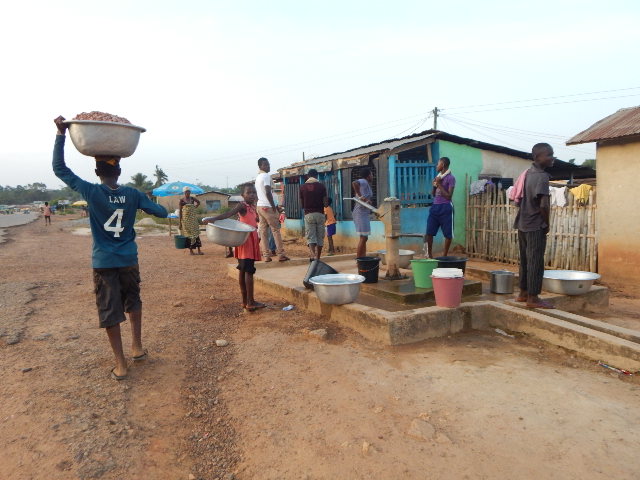
Village children pumping water while a man walks by carrying goods on his head.
Stereotype: There is dangerous “Wildlife” (lions) roaming everywhere.
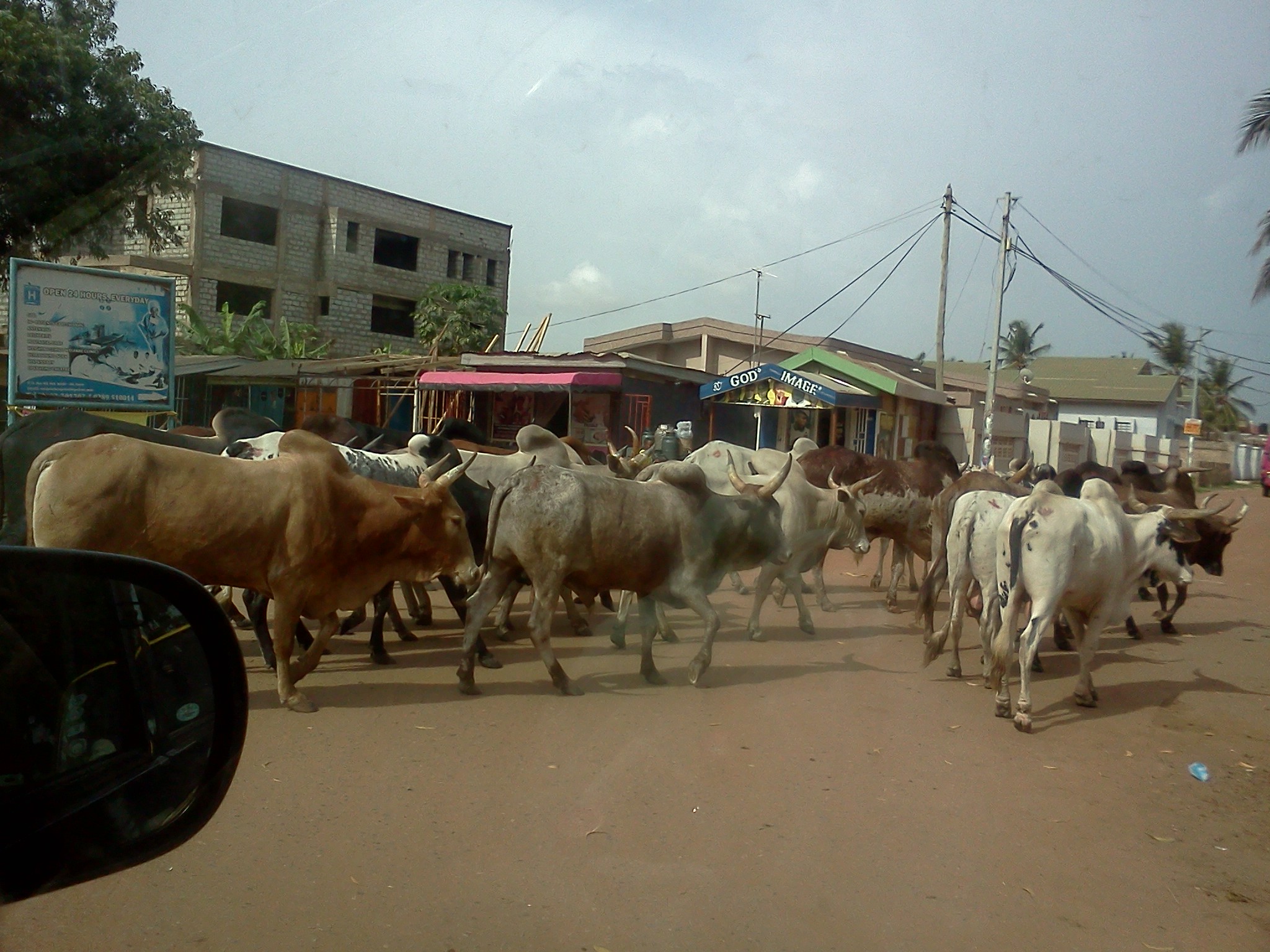
There are several animals in Ghana. I did not get to see the monkeys, elephants, zebras, and giraffes, but I learned that they have nature reserve parks in different regions where I can go see them. Everyday I did encounter many cows, goats, chickens, dogs, cats, and sheep freely roaming around the streets and in harmony with each other.
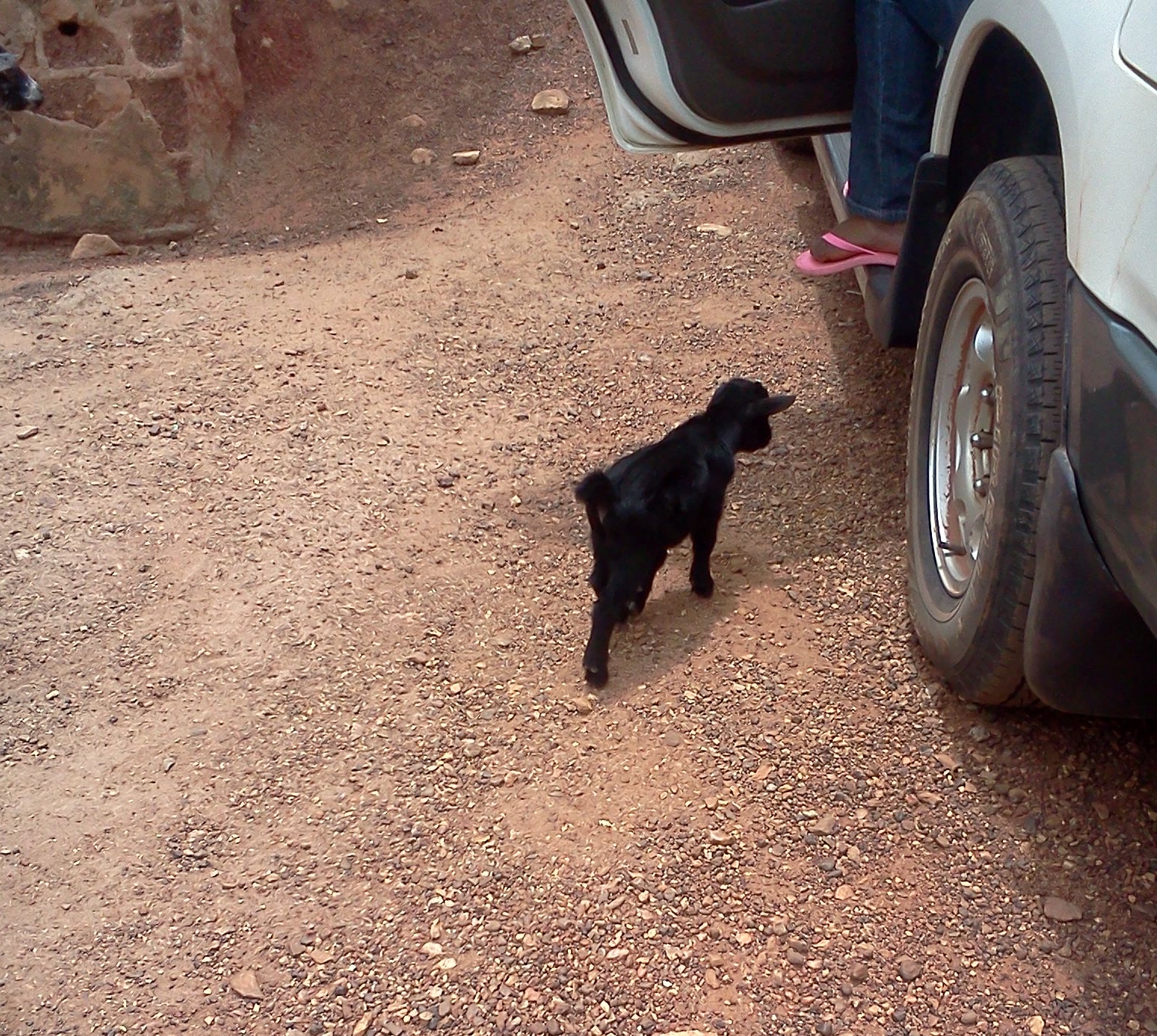
Baby goat in Dodowa casually heading under the vehicle for shade.
Herd of cows calmly crossing the street in the city.
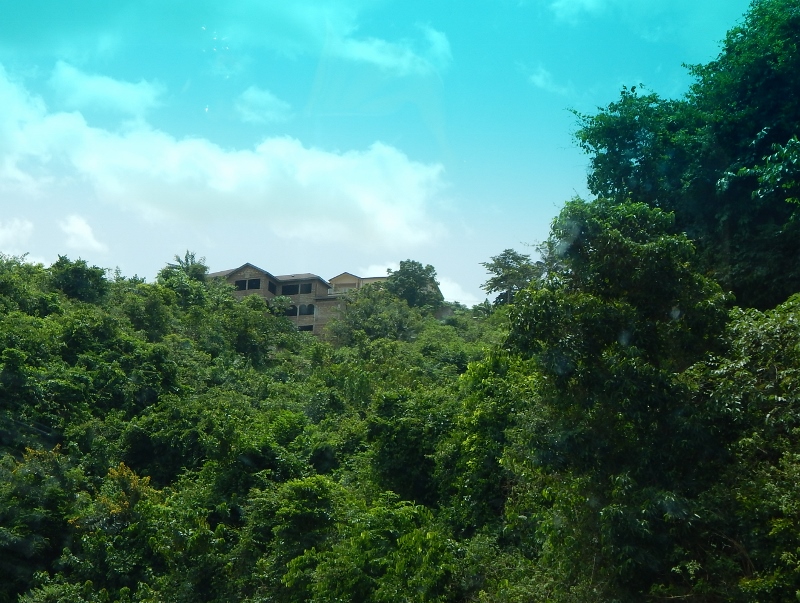
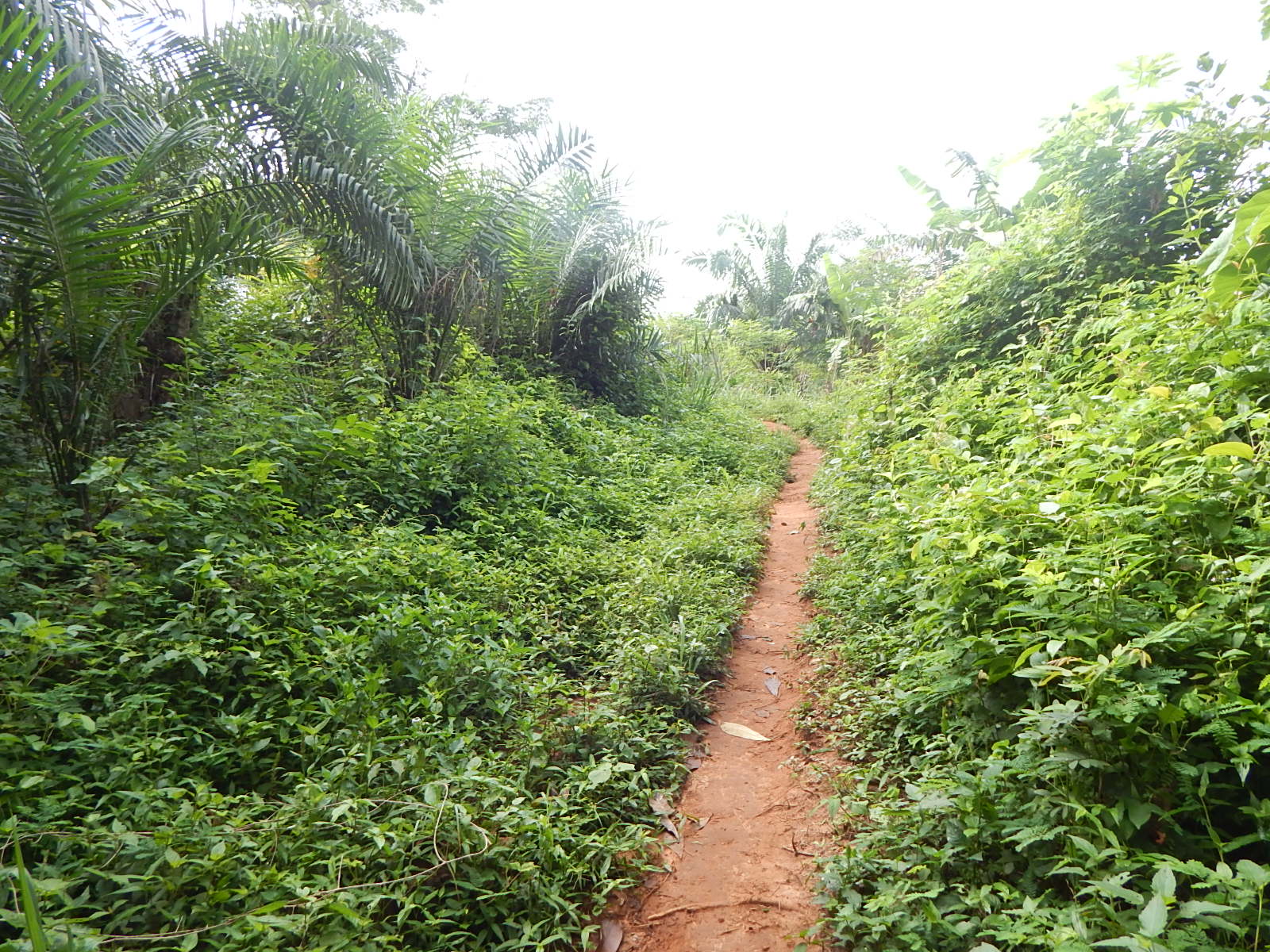
Myth: All of Africa is only Deserts. There is no Vegetation. Ghana is beautiful! I was able to experience the lush Aburi Botanical Gardens, go to the beach, see mountains, and visit the bush areas. Plus, almost every where that I went, there was mango, papaya, avocado, and plenty of foods growing naturally.It was magnificent!
Home on a hill in Aburi
Walking a path out in the “bush” north of Aburi.
Cape Coast (The other side of the Atlantic Ocean)
Stereotype: There is nothing for Tourists because the countries are underdeveloped.
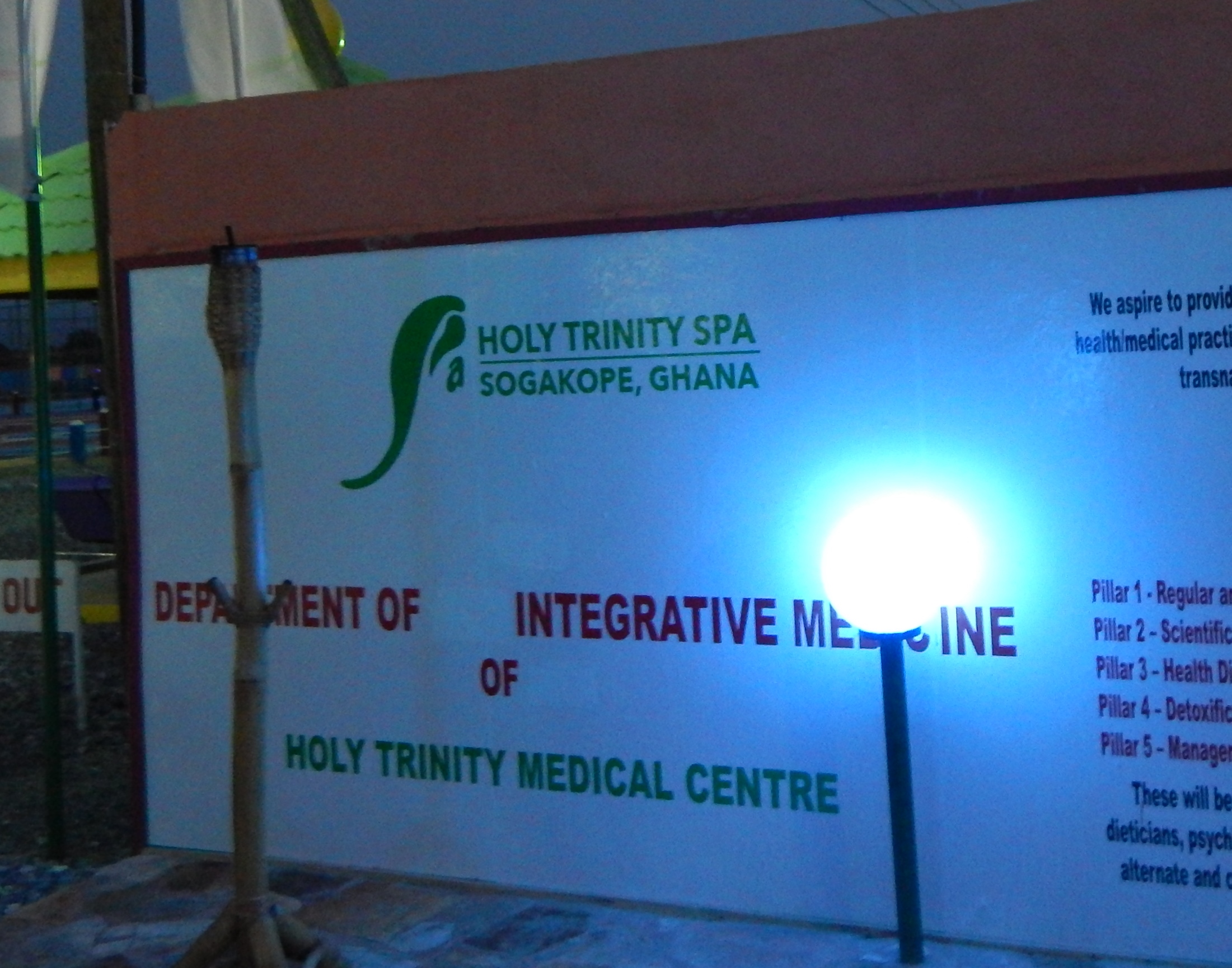
I would recommend that anyone with a genuine interest in the continent of Africa visit at least one country, even if it is only for tourism. In Ghana, there are hotels, spas, shopping malls, museums, national parks, and movie theaters. I am certain that other countries in Africa have the same amenities as well. 🙂
Spa in Sogakope, Ghana (Volta Region)
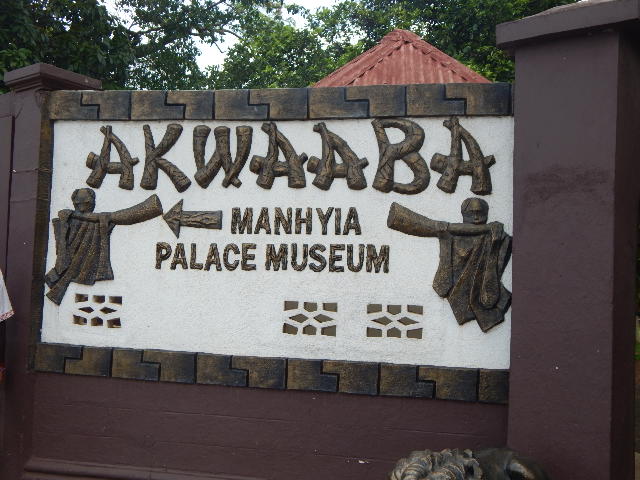
Museum in Kumasi (Ashanti Region)
Myth: They do not like African Americans.
My experience was that many of the people do like African Americans…and people in general. I was often referred to as “sister” (or “girlfriend” or “wife” by some guys who were really trying to push the envelope). The mindset of the Ghanaian people that I interacted with is , “We are family”. The people were extremely nice, helpful, and I felt very safe. I met some kindhearted individuals and made wonderful new friends during my time in Ghana.
My message to you is this: Africa is a rich and enchanted continent.
Do not allow stereotypes, myths, and targeted media coverage prevent you from visiting Africa, meeting the beautiful people, or exploring other regions of this planet.
If the inner guidance of your heart is pulling you to venture out, give it a try.
A loving presence is understood across all cultures and languages.
I am currently in Ghana, in the western part of Africa, on my first trip to the continent. I arrived in the city of Accra late on a Tuesday night in March. I was nervous, excited, and exhausted all in one. The customs line for foreigners was very long, so it took over an hour for me to get through. When I made it outside the airport, the first thing that I felt was extreme heat and humidity. I had been on the freezing cold airplane for several hours, the airports were very cold, and then suddenly it was hot. The second thing I noticed was all the Black people…Africans. They looked so beautiful, glowing, and so dark that their skin mixed with the night sky. It was lovely.
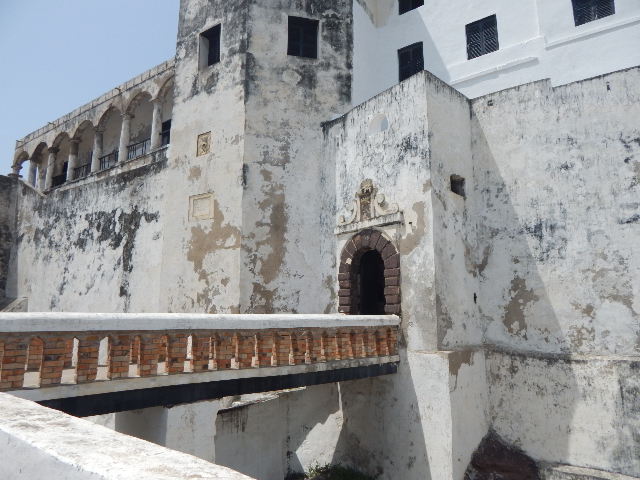
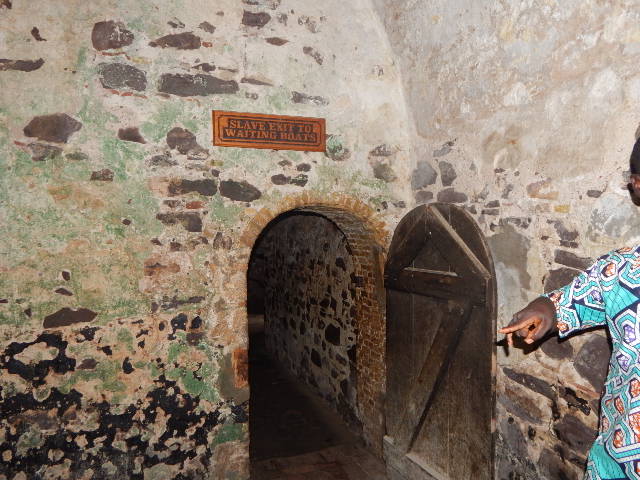
My first week here was spent doing tourist-like activities. I have been exploring the region and getting a better understanding of the people. During this tour, I visited Cape Coast Castle and the El Mina Castle. Some ex-pats refer to these locations as the Dungeons instead of castles. These are places where Africans were held in captivity before boarding ships to be sent to other parts of the world as slaves.
Needless to say, going on a tour of the castles was an emotional experience for me. Maybe not in the way that you would think, though. Instead of tears of sadness and sorrow, I became very angry when I heard about the inhumane things that were done to my ancestors. Although I learned about slavery, I was only given a small perspective—one from the lens of American History. The more I learned, the angrier I became. It was disturbing to think about the level of maltreatment that one human can inflict upon another and continue to live a fairly normal day-to-day life.
I heard about the ways that Africans assisted the Europeans to capture other Africans, especially if they were from another tribe or were offered a large amount of European goods.
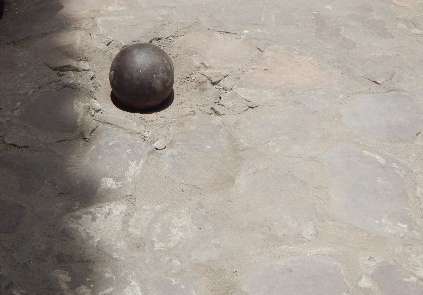
I learned how the female slaves in the castle were abused and sexually exploited by the governor and his men. The women were forced out of their dungeon and had to walk in a small open courtyard. The governor’s quarters overlooked the courtyard. He simply would point at the woman he wanted to have sex with, and then she was taken through a secret door to his bedroom. Once he was done, she was put back in the dungeon with the others. If she refused, she was left outside, a ball and chain around her ankles to suffer…as punishment.
In the courtyard: Ball (without chain) for female slaves who refused sex
There is a great amount that I would like to write about this experience, yet I will keep this post brief. (Maybe this will turn into a book.) One other thing that I will mention is the “Door of No Return”. The slaves were kept in the dungeons for weeks and months at a time (men and women were separate). Think about it: Hundreds of people in one room–eating, sleeping, defecating, urinating, sick, etc…in ONE small room. The ones who died were taken out and tossed into the sea. The ones who survived made the life-altering journey onto the ships that transported them all over the world…. when they walked through the Door of No Return. Not only did they have to endure the dungeons, but the ones who survived had to endure the ship rides around the globe. What a shame that so many people suffered from this tragedy at the hands of their own people.
This is only a miniscule piece of the history of this planet.
Door of No Return
Why am I writing any of this? Because I desire for you to open your eyes and your mind.
Slavery still exists today, right here and now, and it takes on many forms. Some examples are: Mental slavery, economic dis-empowerment, sex trafficking, free/cheap labor, and cultural imperialism.
I refuse to believe that human nature is naturally selfish, greedy, and immoral.
Yet, I do wonder: What will it take for all humans to see each other as fellow brothers and sisters on this planet? How can we mend the mistakes of those before us and live in a peaceful world instead of repeating this revolving pattern?
Several RIP flowers and gifts were left in the dungeons from visitors around the globe.
In spite of the anger I felt, I found one thing to be slightly comforting. Several people from all over the world left gifts, flowers, and memorials for the slaves who were in the dungeon. Most of them read, “Rest In Peace” and referred to humanity learning a vital lesson from the pains of the slave trade.
I know that healing is possible. But first, we must have compassion for ourselves and each other.
I love writing, and maybe you do as well. My most consistent writing practice began in my early childhood. I had a diary. Oh, the juicy, secretive world of diaries with their special locks and “keep out!” signs. Then I graduated to journals. I had several black and white composition books filled with some of my most intimate moments, fears, joys, and requests to God. I journaled almost everyday.
Recently, during the process of packing, I stumbled upon my journals from high school and college. I sat down for a moment and carefully read over my entries. I wrote passionately about my woes related to school issues, family, friendships, and relationships gone awry.
There was a pattern that took place in my writing: 1. I started out writing about the day (Ex: It was a rough day); 2. Then, I wrote extensively about the suffering or strife that I perceived I was experiencing (exaggerating most of it, by the way); 3. Lastly, as if in response to my discouragement, I wrote wise words of encouragement that were well beyond my years of experience and knowledge.
(Ex: I know that this is a situation where I am meant to learn about…)
I read through several of these journals, and was fascinated by something within them that I hadn’t noticed before.
You see, when I read more closely, I realized that I was also prophesying to myself in every entry.
At the time that I wrote the entries, I did not realize that they were more than words of encouragement, but actual prophecy. I didn’t know they were true until I reflected on the entries recently and recognized that most of the things had occurred!
But… Where did those prophetic words come from?
I went into meditation about this question, and here is some of what was expressed to me. Spirit reminded me that I am always taken care of and supported by unseen forces. It was brought to my attention that when I wrote my journal entries, they were a way for me to connect with My Creator and seek guidance. It was a form of prayer.
The most beautiful message I received was this reminder: “I already knew what you needed. I already saw everything you were going to request. I Am in You. Be in a place to receive those things.”
This makes me think of a biblical text that states, “Before I formed you in the womb I knew you…”
Take the time to think of all the things that you have requested of Spirit. What would it mean for you to know that your requests are already known?
Better yet, what if there is already an answer?
There Is.Affirm for yourself today: Everything is already in order, and the solution is clear.
“Nobody with innocence loves to go to jail. But if he puts you in jail, you go in that jail and transform it from a dungeon of shame to a haven of freedom and human dignity. Even if he tries to kill you, you develop the inner conviction that there are some things so dear, some things so precious, some things so eternally true that they are worth dying for…” –Dr. Martin Luther King, Jr.
If there is one thing that I would change about the quote above, it is this: “What are you willing to LIVE for? What do you desire to see changed in the world we live in right now?”
February is celebrated as Black History month in the United States of America. It is also the month where they celebrate Love, Romance, and relationships in honor of St. Valentine.
When I pondered upon what this month means for me, I thought about the fact that there really is not a specific month to represent the history of all beings. My history is your history because we are all connected, and inevitably we all impact each other worldwide.
I also began thinking about the state of the social structure in this nation. There is unrest among many groups of people who are called the “minority” in the United States of America. The nature of this unrest is a recurrence of similar themes that have spanned over several generations. There are rallies against injustice, war, and inequality for all humans. This history seems to repeat itself, while the people headlining the movements are the only difference.
Why is this the case? What is missing?
Soldiers are deployed and encouraged to fight for their country and the freedom of their people. Yet, right here in our own land, many are not Free.
Freedom first begins in the mind.
If a group of people have been taught to believe and perceive their world from an inferior perspective, then their lives will continue to reflect this status, even if they do rally against their status. This is because they are creating what they focus upon. Do not get me wrong, there currently exists a covert and overt hierarchy in American society which affects various groups of people in different, yet painful ways. This hierarchy exists because the nation was created by a group of people who believed that to divide, conquer, and monopolize power was the way to live.
But it is not.
Violence, separation, and destruction only breed injustice, greed, and death.
It takes a conscious movement of everyone in solidarity in order for this ancient, ineffective system to be eradicated. I have read that the largest population in the United States right now is the generation born between the early 1980’s and early 2000’s, also known as Generation Y or the Millennials.
Why does this matter? The largest population in any place can have a huge impact on society. It begins with a shift in conscious awareness, collectively joining together, and is followed by mindful action.
Think about what your ideal world looks like. Is there a major disparity among groups of people based on the color of their skin or partner preference? Of course not.
What can you do to shift things in the direction that makes this ideal world more tangible?
If you are passionate about it, then you have the first ingredient that is needed to take action. Every piece of this Peace puzzle has a major part. First, begin to connect with others who believe in your cause. Second, discuss solutions from a collective and conscious point of view. Third, mindfully put things in motion from a solution-focused perspective. You will see just how much the world you desire begins to unfold.
You and I are the game-changers. We are the ones to lead a conscious movement, not by repeating old patterns of our predecessors, but by acting from a higher state of awareness and connectedness that focuses on the solution to the problems we face now. We need each other, and we are the answer.
We must create and influence the world that we desire to live in.

 This quote speaks volumes.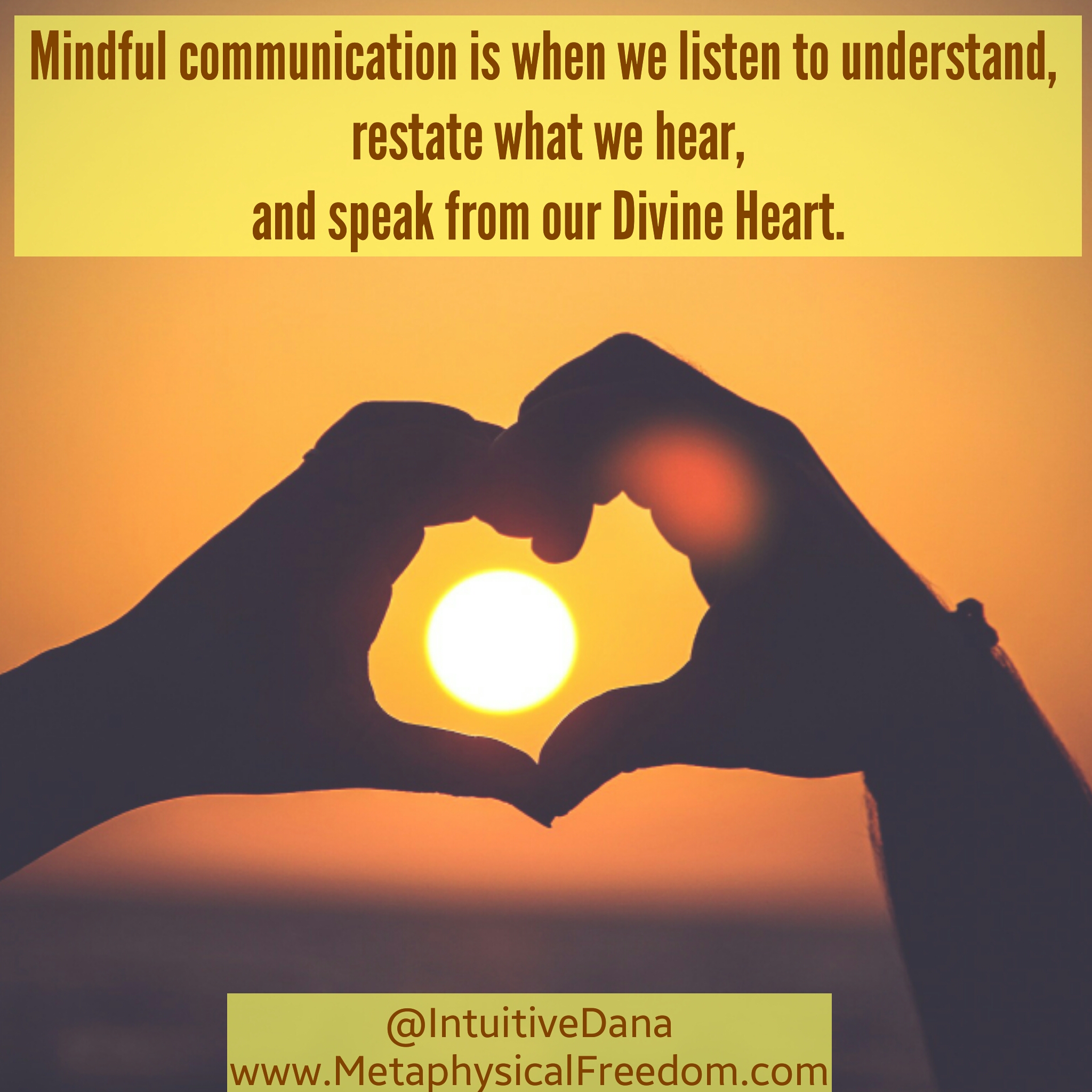




















 Metaphysical Freedom